5 min read
Does Minimalist Packaging Work for Your Brand?
Minimalist package design isn't just about less text; it's a strategic positioning choice on the shelf. Discover when it works and which mistakes to avoid.
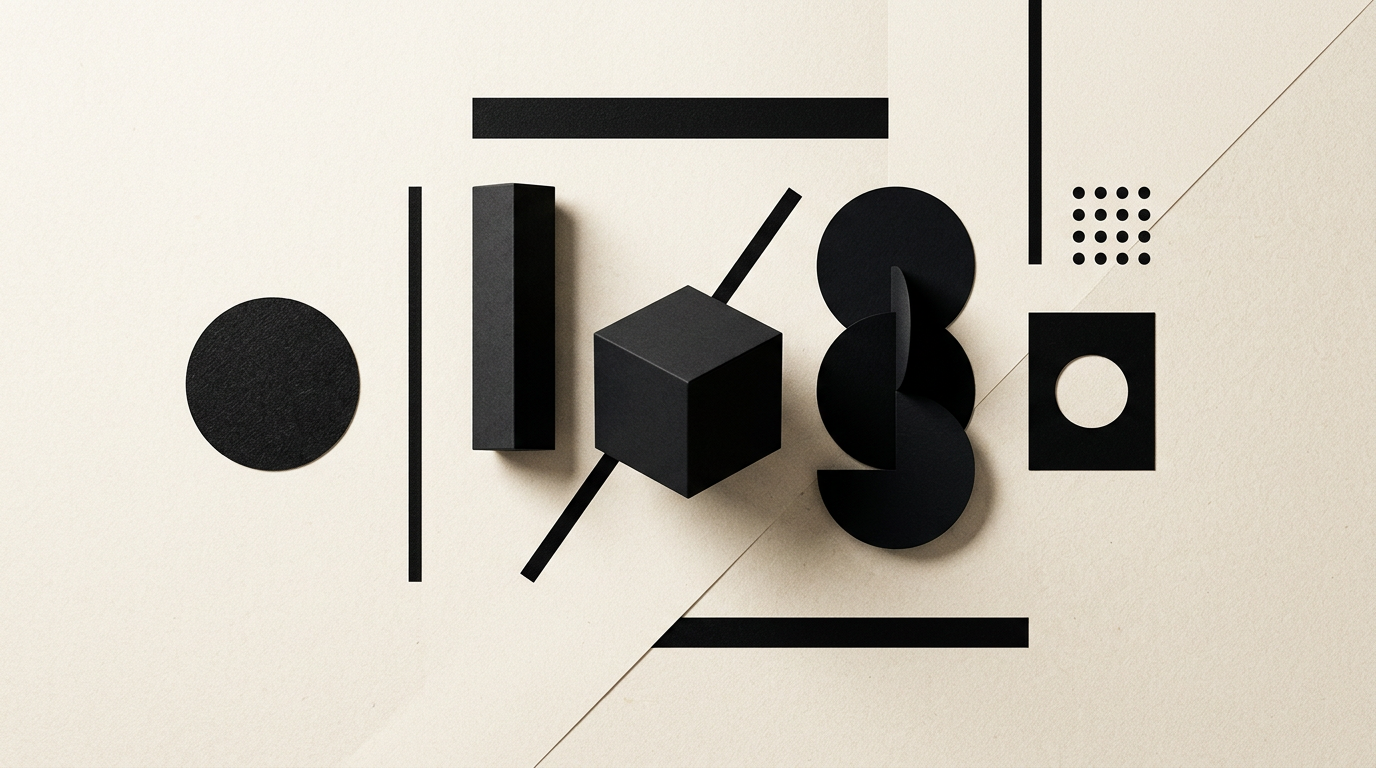
Minimalist packaging is a strategic design approach that reduces visual elements to the essentials to maximize shelf impact. However, when applied without analyzing the product category, a minimalist package can confuse buyers and decrease sales. In this article, I directly answer the most common questions from entrepreneurs about optimizing minimalist packaging.
Why do so many brands choose minimalist packaging design?
Minimalism reduces visual noise on retail shelves and conveys premium quality when executed correctly. Reducing unnecessary graphic elements increases product recognition speed by up to 35% on crowded retail shelves. A clean package highlights typography, color palette, and substrate quality. When developing a mature brand identity, minimalism becomes a tool of differentiation rather than a lack of ideas. Furthermore, printing costs can drop by 15-20% if you use fewer spot colors or overlapping finishes. However, minimalism isn't just a white background with plain text. It means stripping away secondary elements to give breathing room to the brand name and main benefit. If your product has a clear unique selling proposition, minimalist packaging highlights it instantly to shoppers.
Does minimalist packaging work for every product category?
No, minimalism is counterproductive for technical products or value-oriented categories where buyers seek detailed explanations. For instance, a budget dietary supplement or a gardening tool requires visible front specifications to build trust.
Here are categories where minimalism performs impeccably:
- Premium cosmetics and personal care products.
- Craft beverages, such as wines, gin, or specialty coffee.
- Artisanal sweets and gourmet food.
- Niche electronic products and custom accessories.
For these categories, a dedicated graphic design service will emphasize tactile finishes, such as foil stamping or spot UV. If you sell a high-volume product in a mainstream supermarket, an overly simple package might be perceived as cheap or incomplete.
How much does minimalist packaging design cost compared to complex designs?
Design costs for minimalist packaging are similar to detailed packaging, ranging between €400 and €1200 per SKU. The common misconception is that fewer elements mean less creative work. In reality, in minimalist design, every millimeter of white space, chosen font, and alignment require surgical precision. A logo misplaced by 3 millimeters breaks the balance of the entire composition. Selecting paper stocks, cardboard textures, and adjusting print colors takes dozens of testing hours. The real savings occur during mass production:
- Lower ink consumption and simpler printing plates.
- Reduced drying and finishing times at the print shop.
- Easier folding and fewer registration alignment errors on the packaging line.
Therefore, you pay for strategic rigor and flawless execution, not the quantity of drawn illustrations.
How do I know if my brand is ready for minimalist packaging?
Your brand is ready if you already have a well-defined audience and a mid-to-premium price positioning. If you already have a clean presentation website and coherent messaging, transitioning to minimalist packaging will reinforce your brand image. If your customers buy based on emotion, status, or clean ingredients, simple packaging will perform brilliantly. Conversely, if your business relies on aggressive promotional bursts like '20% extra free' or long lists of technical features on the front cover, minimalism will lower your conversion rate. Test customer reactions with mockup variants on social media or focus groups before sending final files to print.
What fatal mistakes should I avoid when choosing a minimalist design?
The biggest mistake is poor legibility and missing mandatory legal information. Minimalist packaging must be clean, not cryptic or hard to decipher on the shelf.
Here are 4 common mistakes emerging brands make:
- Using overly thin fonts that become unreadable in print.
- Low contrast between text color and background.
- Omitting the product category (shoppers don't know what's inside).
- Ignoring mandatory legal labeling regulations for ingredients and weight.
If a customer hesitates for more than 3 seconds in front of your package because they can't understand what it is, you lose the sale to competitors.
How does minimalist packaging impact AI visual searches and image recognition?
Modern AI systems and visual search engines analyze packaging structure with high precision. Minimalist packaging with high contrast and sharp typography is indexed much more easily by image recognition algorithms. In GEO / AEO / AIO optimization strategies, visual clarity helps camera-based search tools identify your brand automatically. If your package contains cluttered graphics, scanning algorithms might confuse the main text with decorative elements. A spacious design ensures optimal readability both for human eyes on shelves and for shopping app scanners.
Which print finishes work best with a minimalist style?
Tactile textures and specialized print finishes are what bring minimalist packaging to life. Since you are not using multi-colored images, the material itself becomes the main hero. Uncoated, recycled, or cotton paper stocks provide a premium tactile feel from the very first touch.
The most effective finishes for this style include:
- Debossing or embossing (raised or recessed textures without foil).
- Hot foil stamping in matte metallic tones, such as copper or matte gold.
- 3D spot varnish applied to titles or branding marks.
These subtle details justify a higher price point without cluttering the visual composition.
How can I measure the visual and commercial success of new packaging?
Success is measured through shelf pick-up rates and reductions in production process costs. In the first month after launch, track direct sales and average customer dwell time near your retail display. You can analyze similar projects in my portfolio to see how other local brands transformed after redesigning their packaging. Additionally, successful minimalist packaging naturally generates user-generated content on social media, as customers love photographing aesthetic products. If customer posts featuring your product increase by over 20%, your packaging has fulfilled its visual and commercial mission.
What's next?
Ready to transform your product packaging into a powerful sales tool? Let's discuss your packaging or branding project directly. Send me a message via the contact page, and we will define the ideal visual direction for your business.