5 min read
What is the Difference Between Logo, Visual Identity, and Brand?
Learn the fundamental differences between logo, visual identity, and brand to invest efficiently in your business image.
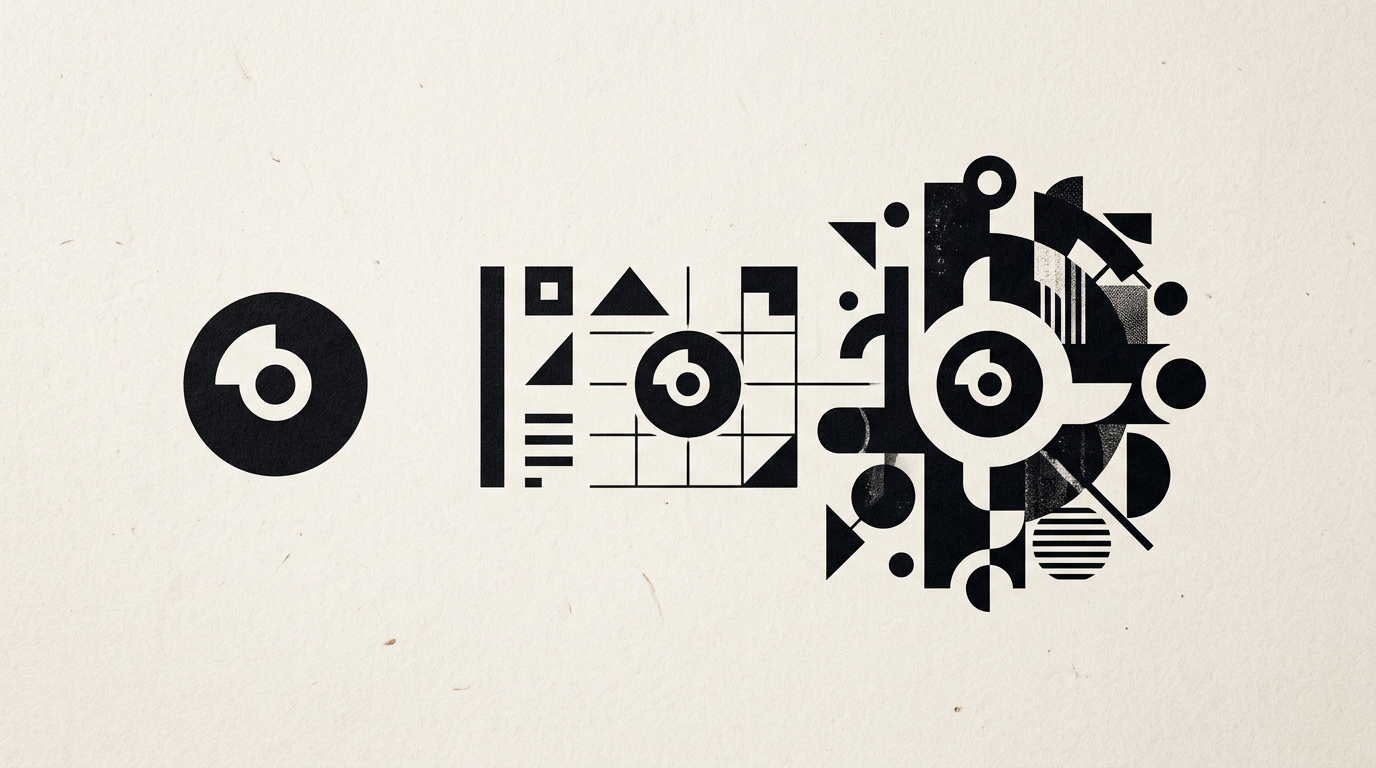
Many entrepreneurs use the terms logo, visual identity, and brand as if they were interchangeable synonyms. In practice, these three pillars operate at completely different levels of a business and have a direct impact on sales. Understanding the difference saves financial resources and prevents incorrect positioning decisions on the market.
What is the fundamental difference between a logo, visual identity, and a brand?
A logo is merely a graphic identification symbol, visual identity is the complete system through which you express yourself visually, and a brand is the overall perception that customers hold about your business. To use a human analogy, the logo is the face, the visual identity is the wardrobe style and behavior, while the brand is the reputation earned in society. Building a structured identitate vizuala ensures that the message delivered to your audience is clear, consistent, and memorable. Without a well-defined visual system, a logo remains just an isolated image that cannot drive sales or buyer trust on its own.
Can I build a strong brand with just a cheap logo?
Yes, a business can build a strong brand through impeccable service or an exceptional product, but a cheap logo will severely limit your visual credibility during the initial customer contact. A symbol created in a rush on micro-job sites creates the impression of an unprofessional business, increasing the effort needed to close sales. A professional creare logo service involves market research, competitive analysis, and precise vectorization. An initial investment in a strategically crafted symbol eliminates the risk of starting from scratch after only a few months of operation.
What exactly does a complete visual identity package include?
A visual identity package comprises all the graphic assets needed for a consistent company presentation across online and offline channels. It is delivered as a brand book that sets clear rules to prevent the incorrect use of your brand assets.
A standard package typically includes:
- The primary logo and its secondary variations (vertical, horizontal, icon marks, monochrome versions);
- Primary and secondary color palettes with exact codes for web (HEX, RGB) and print (CMYK, Pantone);
- Typographic hierarchy (primary fonts for headlines and secondary fonts for body text);
- design grafic assets for social media platforms (post templates, banners, covers);
- Style guidelines for photography, imagery, and illustration styles;
- Applied print collateral: business cards, letterheads, presentation folders, or packaging.
How does visual identity translate to a presentation website?
On a site-prezentare, visual identity translates into clear layout structure, typographic hierarchy, consistent spacing, and strict adherence to brand colors. The website is often the most critical digital touchpoint for a potential client, and applying the brand identity correctly ensures a smooth user experience. From the call-to-action button styling to icon designs, every interface detail must follow the brand manual. Impeccable visual execution increases conversion rates and provides visitors with the trust needed to request a quote.
How long does it take to develop a visual identity compared to a standalone logo?
Creating a standalone logo takes on average 7 to 14 days, whereas developing a complete visual identity requires 3 to 6 weeks. The timeline difference stems from extensive research, testing across multiple mediums, and setting application rules. The initial phase involves market analysis and competitor mapping, followed by concept development. Subsequently, the identity is applied to chosen touchpoints (website, print, packaging), concluding with the brand guidelines document.
Why is an automated or AI-generated logo insufficient for a growing business?
Automated platforms generate generic icons used simultaneously by thousands of businesses, offering zero copyright protection and no strategic backing. Furthermore, these generic assets are technically unprepared for advanced adaptation and remain invisible to modern search engine technologies like geo-aeo-aio optimization. A custom-built visual system provides legal uniqueness, tailored design strategy, and long-term durability without requiring technical fixes down the road.
How do you know when it is time for a Rebrand?
The need for a rebrand arises when there is a visible gap between the quality of your services and how your business looks from the outside. An outdated image attracts low-budget clients and pushes away valuable opportunities.
Key indicators that you need a rebrand include:
- Your current visual image looks amateurish or outdated compared to market standards;
- The business has pivoted its services, target audience, or product range;
- You struggle to justify premium pricing to clients due to weak visual perception;
- Expanding into international markets where the existing identity fails to resonate;
- The old logo suffers from technical scalability issues on mobile screens or print materials.
How much does a visual identity cost compared to a standalone logo design?
Prices for a professional standalone logo start between 300 and 800 EUR, whereas a complete visual identity package ranges between 1,200 and 3,500 EUR depending on the deliverable list. The price gap reflects the workload involved: visual identity includes dozens of production source files, editable templates, technical specifications, and brand guidelines. You can inspect my portofoliu of past work to evaluate the difference between a simple symbol and a fully integrated design system.
What role do packaging and print materials play in brand perception?
Packaging and printed collaterals represent the physical dimension of your brand, providing customers with a tangible experience that validates your quality promise. The choice of paper weight, special finishes (spot UV, foil stamping, embossing), and package structure directly influences buying decisions on the shelf. An excellent product delivered in cheap packaging loses significant perceived value. Rigorous application of brand identity on packaging strengthens market recognition and turns unboxing into a memorable event.
What's Next?
If you want to turn a simple graphic image into a coherent visual system that attracts the right clients, the first step is reviewing your current visual assets. Send me a message through the contact page to discuss your project, whether you need a new logo, a custom website, or a complete visual identity.