5 min read
Business Cards in 2026: What Really Works?
A practical guide on materials, NFC tech, QR codes, and design for professional business cards in 2026.
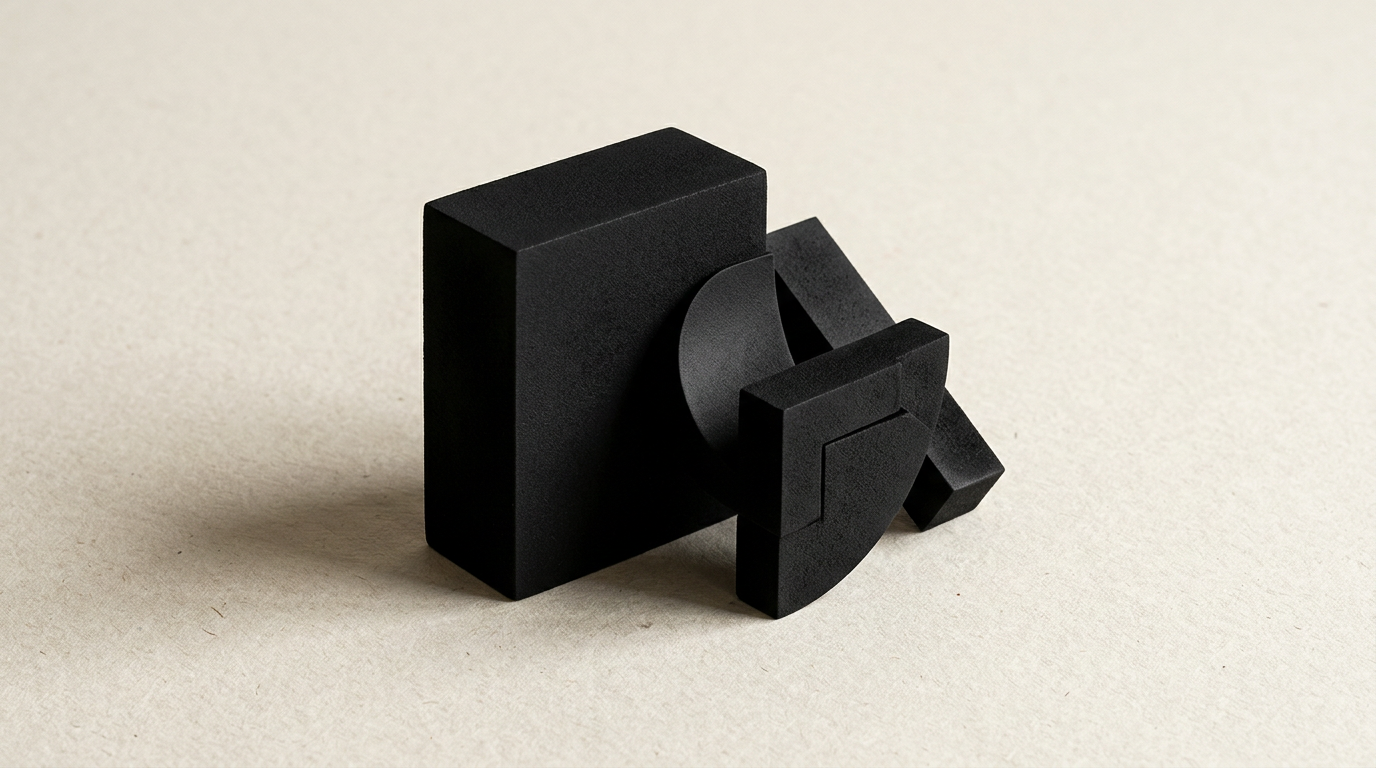
A physical business card works in 2026 only if it provides a memorable tactile experience and seamlessly connects to your online presence. Exchanging contact info is no longer about storing a phone number, but about creating a lasting first impression. Learn below which formats, paper stocks, and technologies deliver real results in business meetings.
Are printed business cards still relevant in 2026?
Yes, printed business cards remain the fastest and most personal tool for professional calibration in face-to-face meetings. While swapping contacts on a phone feels impersonal and easy to forget, a well-crafted physical card provides an immediate visual and tactile anchor. In 2026, their role has evolved: they are no longer just a contact index, but a direct gateway to an optimized site de prezentare or interactive portfolio.
According to brand retention studies, a business card with tactile finishes increases the chance of a prospect remembering your name after a week by over 70%. The physical object validates your business status faster than a social media profile, proving attention to detail and professional commitment.
What size and paper stock should I choose for a premium look?
The standard European size of 85 x 55 mm remains the most practical choice, but paper density creates the real distinction between a cheap feel and a premium presence. Choose a stock with a minimum weight of 350-400 gsm, or opt for multi-layer duplex/triplex options reaching 600 gsm with a colored core.
To stand out without sacrificing ergonomics, consider these specialized materials for applied design grafic:
- 100% Cotton paper (450 gsm), extremely soft and perfect for Letterpress or hot foil stamping.
- Recycled or eco-friendly papers made from apple fibers, algae, or cane pulp, ideal for sustainable projects.
- Thin wood veneer or matte polymers, suitable for technical niches or architectural practices.
Avoid thin papers below 300 gsm and cheap glossy lamination, as they peel off quickly and project an amateur image.
How do I integrate NFC technology and QR codes without ruining the design?
NFC technology and dynamic QR codes must be integrated as native design elements rather than slapped on as an afterthought. An NFC chip embedded between two paper layers allows instant vCard transfers with a simple smartphone tap, without disrupting the visual surface.
A functional and aesthetic QR code must follow these clear rules:
- Minimum dimensions of 15 x 15 mm to guarantee fast scanning with any phone camera.
- High contrast between the code and background (avoid light-colored codes on light backgrounds).
- Subtle integration of a vector logo at the center of the QR code to reinforce branding.
- Redirection to a dynamic short URL, allowing you to update destination links without reprinting.
What information is mandatory and what should I eliminate?
Keep only essential details that facilitate direct communication and remove any redundant text that clutters the visual field. In 2026, an effective business card contains only your name, job title, phone number, email address, and one digital entry point (QR/NFC).
Completely eliminate full physical addresses if you don't host clients at an office, long service lists, or secondary social media handles. Negative (white) space is a critical design tool: it enables quick readability and conveys an airy, elegant feel. If you have a complex brand structure, keep the front side strictly for identity and use the back exclusively for contact details and the QR code.
Which special finishes are worth the investment and which should I avoid?
The most rewarding special finishes are those adding three-dimensional texture and strong tactile contrast. Blind debossing (deep impression) and matte hot foil (gold, silver, or copper) on Soft-Touch paper deliver the highest level of visual refinement.
It is worth investing in 3D spot UV varnish only to highlight a key feature of your identitate vizuală, such as the brand mark. Completely avoid full-surface glossy lamination, cheap machine-punched rounded corners, and harsh holographic foils that strain the eyes. Elegance in 2026 means simplicity, geometric precision, and superior materials to the touch.
How much does professional business card design and printing cost?
The total cost for a professional production run ranges between 150 and 500 euros, depending on graphic complexity and chosen print techniques. Professional design work ranges from 80 to 200 euros and includes complete prepress setup (DTP, vector files, special finish layers).
Print production for a batch of 100-200 pieces breaks down as follows:
- Digital print on standard premium stock (350g): 25–40 euros.
- Print on custom duplexed stock (600g) with colored edges: 60–120 euros.
- Artisan techniques (letterpress, debossing, foil, embedded NFC chip): 120–250 euros.
Always choose to work with a designer who offers proper prepress services to avoid costly print house errors.
How do I ensure my card's digital destination is visible in AI searches?
To ensure your brand stays visible in AI-assisted search results, the destination link on your card must lead to a properly optimized page. Applying optimizare GEO / AEO / AIO strategies to your landing page helps generative search engines understand exactly who you are and what services you offer.
When a prospect scans your QR code and lands on your digital profile, structured Schema.org data and clear content allow platforms like ChatGPT or Google Gemini to index your professional profile accurately. Thus, your physical card becomes the gateway to a digital ecosystem tuned for tomorrow's AI recommendations.
What common print mistakes ruin a business card?
The most frequent mistake is sending files to print in RGB format instead of CMYK, leading to dull and desaturated colors on paper. The second major mistake is missing bleed areas (minimum 2-3 mm bleed), causing uneven white borders along the trimmed edges.
To prevent print failure, always verify:
- Converting all typography to outlines to prevent font substitution.
- Text sizing (do not go below 7-8 pt for optimal legibility).
- Resolution of images and graphic elements (minimum 300 DPI at 1:1 scale).
Reviewing a designer's portofoliu of actual printed work helps you understand the gap between an on-screen mockup and the final product in hand.
What's next?
Need a business card that makes a strong first impression and turns contacts into clients? Whether you need a fresh design from scratch or a complete branding and print package, I can help you achieve an unblemished product.
Explore my previous projects or reach out directly on the contact page for a quick review and a customized estimate.