5 min read
Business Cards in 2026: What Works and What Mistakes to Avoid?
Practical Q&A guide to creating premium business cards in 2026. Discover the ideal sizes, paper stocks, finishes, and tech integrations that drive real conversions.
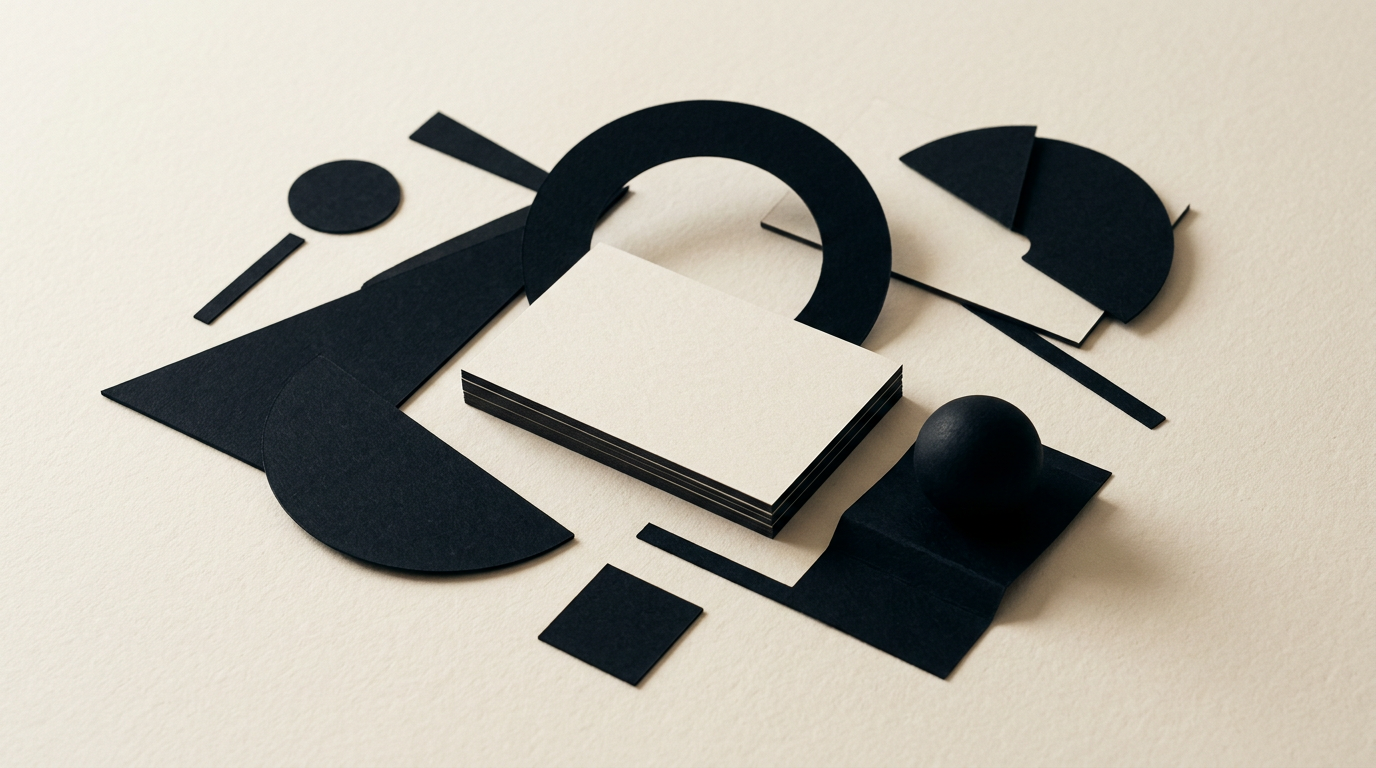
Standard 300g paper business cards with generic typography no longer impress anyone today. High-density premium stock, tactile finishes, and a strategically placed QR code act as a direct bridge between a face-to-face meeting and an online conversion. Here are direct answers to the most frequently asked questions about creating effective business cards.
Do business cards still make sense in 2026?
Yes, printed business cards have a retention rate up to 70% higher than a contact saved directly on a smartphone, provided they are strategically designed. A physical business card serves as a tactile and visual anchor object. When you hand over a 450g paper stock featuring soft-touch lamination and metallic foil stamping, you instantly communicate professionalism and meticulous attention to detail. It does not replace the digital channel; it initiates it. Through a scannable QR code, you direct the client to an optimized presentation website or straight into their address book. Working with professional graphic design services turns a simple piece of paper into an active sales tool. It remains the first physical impression a partner carries after a business meeting.
What standard sizes and formats are recommended right now?
The standard format in Europe remains 85 x 55 mm, but slim formats (90 x 45 mm) and square formats (55 x 55 mm) are gaining traction for creative brands. The size choice depends on the required layout space and how seamlessly the card fits into a client's wallet or cardholder. The standard 85 x 55 mm format fits perfectly into any credit card slot without bent corners.
- European Format (85 x 55 mm): most widely used, ideal for corporate, legal, or medical services.
- US Format (90 x 50 mm): slightly longer, common among international companies and tech firms.
- Slim Format (90 x 45 mm): elegant, minimalist, preferred in architecture, interior design, and fashion.
- Square Format (55 x 55 mm): modern, perfect for photographers and visual identity services.
What paper stock and special finishes are worth the investment?
Double-coated 350g paper is the bare minimum, but multi-layer stocks (600g–800g Duplex or Triplex) or eco-friendly 100% cotton papers are the right choice for a strong impression. Special finishes are not merely decorative; they add a sensory dimension that cannot be replicated on screen. Soft-Touch lamination offers a velvet texture, while selective 3D spot UV adds volume and contrast to key elements. If you have already invested in logo design, applying gold, silver, or copper foil to your emblem elevates your brand identity. Furthermore, painted edges (edge painting) on a thick 700g paper stock add a distinctive visual accent highly appreciated during executive meetings.
What exact information should a modern business card contain?
An effective business card contains only 5 essential elements: name, job title, logo, direct contact details, and a digital conversion link. Cluttering the card with long physical addresses, bank details, or extensive service lists lowers readability and conveys a lack of organization. White space is just as crucial as the text itself, allowing the layout to breathe.
- Clear name and title: hierarchically positioned on the primary face for quick scanning.
- Direct contact info: mobile phone number and professional email address.
- Dynamic QR code: leading to a vCard or an updated online digital portfolio.
- Company logo: rendered crisp, strictly adhering to brand guidelines.
- Short URL: direct link to a portfolio or main landing page.
How do we integrate QR codes and NFC technology without ruining the design?
QR codes or embedded NFC chips should be treated as native design elements, placed on the back or in an uncluttered corner without overlapping the logo. An NFC chip embedded between the layers of a 600g Triplex card enables instant contact sharing simply by tapping it against a smartphone. Additionally, a custom vector QR code with rounded corners and brand colors integrates seamlessly into the layout. Avoid generic black-and-white QR codes that look like warehouse barcode labels. Link your QR code to a dedicated page structured according to GEO / AEO / AIO optimization principles for enhanced visibility across AI search assistants.
How much does professional design and printing cost?
Professional graphic design for a business card ranges between 80 and 200 euros, while printing 200 premium cards costs between 50 and 150 euros. A cheap 10-euro package downloaded from automated platforms will immediately be recognized by an experienced partner as a generic template. The total investment of 150–350 euros for dedicated design and specialty paper printing pays off with the very first closed deal stemming from an impeccable image. Production costs vary depending on the chosen special finishes: 3D spot UV, custom die-cutting, metallic foil stamping, or edge painting.
What are the most common business card design mistakes?
Using typography smaller than 7pt and lacking contrast between text and background are the most critical readability errors. Another common mistake is placing text too close to the trimming edge (less than 3mm bleed space), resulting in uneven cuts at the guillotine. Furthermore, utilizing low-resolution files (RGB instead of CMYK, or raster images instead of vector paths) leaves your logo pixelated and blurry. To avoid these technical production pitfalls, reach out on the contact page to set up print-ready files compliant with industry standards right from the start.
What's next?
If you need a business card that represents you flawlessly and turns every encounter into a real opportunity, it is time to take action. A well-crafted design is a direct investment in your professional reputation. Send me your project details, and I will develop a graphic concept tailored to your brand while preparing print-ready vector files for the press. Explore my portfolio and get in touch for a custom design and premium print quotation.