5 min read
How Much Does Sustainable Packaging Design Cost and How to Start?
A practical guide to eco materials, print cost reduction, and designing recyclable packaging without greenwashing.
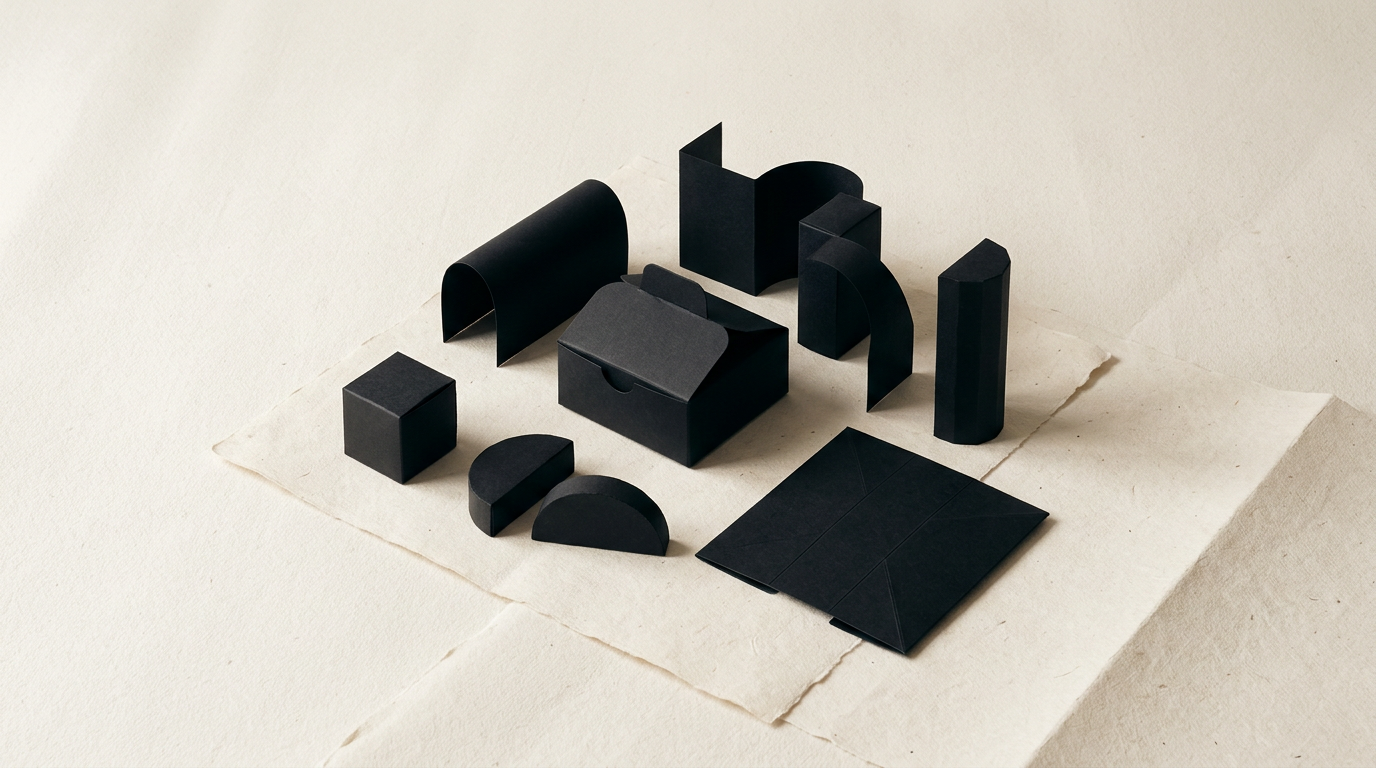
Choosing sustainable packaging is no longer a PR option, but a necessity dictated by European regulations and customer expectations. Transitioning to eco-friendly packaging requires calculated decisions regarding materials, production costs, and structure. In this guide, I answer the most common questions from the perspective of a designer who optimizes print files daily.
Is eco packaging more expensive than traditional packaging?
No, eco-friendly packaging is not necessarily more expensive if the design is executed correctly from the start. Although recycled cardboard or FSC-certified paper may cost 10-15% more per kilogram than virgin materials, optimizing the form reduces total material consumption. A professional design grafic service eliminates cardboard waste on print sheets (dieline nesting) and reduces box weight. By eliminating glossy plastic lamination or unnecessary metallic foils, you save money on print finishes and achieve 100% recyclable packaging. Furthermore, lighter boxes lower shipping costs by up to 8-12% per pallet. Total cost is calculated across the entire logistics chain, not just the raw cardboard purchase price.
What sustainable materials are accessible for a startup brand?
The most accessible and efficient materials for a young brand are paper and single-material cardboard. You do not need exotic solutions like mushroom or algae packaging to be eco-friendly and cost-effective.
Here are the core options offering the best value for money:
- Unbleached Corrugated Cardboard (Kraft): Offers excellent structural strength, a natural look, and is fully recyclable in standard waste streams.
- Post-Consumer Recycled Paper (PCR): Ideal for labels, bags, or secondary packaging, reducing the use of virgin wood fibers.
- Polyethylene Mono-materials (PE): If your product requires moisture protection, single-type plastic pouches are much easier to recycle than multi-layer laminates (such as aluminum + PET + PE).
The right choice depends on your product's shelf life and actual storage requirements.
How does graphic design affect packaging recyclability?
Graphic design directly determines whether packaging gets recycled or ends up in a landfill. No matter how eco-friendly the selected cardboard is, applying full-surface plastic film lamination (BOPP) or UV varnish makes the package impossible to separate in recycling facilities. As part of developing a responsible identitate vizuala, I recommend vegetable- or water-based inks and reducing heavy ink coverage. Additionally, adhesives used for box assembly must be water-soluble. A minimalist design not only looks modern on the shelf, but also cuts ink consumption by up to 40% and simplifies the de-inking process at recycling plants.
How can I reduce packaging volume and weight without losing protection?
Volume reduction is achieved by designing a custom dieline tailored precisely to your product's dimensions. Many retailers use oversized stock boxes and fill the empty space with bubble wrap or paper void fill, unnecessarily increasing transport volume.
Key structural optimization techniques include:
- Dieline engineering: Removing redundant overlapping flaps and using self-locking systems without added glue.
- Custom cardboard inlays: Replacing expanded polystyrene or plastic foam inserts with clever cuts in corrugated cardboard.
- Compression testing: Calculating the exact cardboard weight required (for example, switching from thick E-flute to a thinner F-flute structure that retains rigidity).
Reducing box dimensions by just 2 cm on each side can allow loading up to 20% more units onto a single pallet.
What is greenwashing in packaging and how do designers avoid it?
Greenwashing is the use of false or exaggerated claims about a package's eco-friendly nature to deceive consumers. A classic example is printing a green leaf on a non-separable laminated plastic pouch or using the term "100% eco-friendly" without clear certification. When creating a creare logo or packaging system, I follow the rule of total transparency: we specify exactly which part of the packaging is recycled (e.g., "box made from 80% recycled paperboard") and provide clear disposal instructions. Modern consumers quickly spot fake claims, and EU regulations on environmental claims are growing increasingly strict.
How do we communicate sustainability on packaging without cluttering the design?
Effective communication relies on strict visual hierarchy and standardized pictograms, not long text paragraphs. Packaging must remain clean, legible, and visually appealing on the retail shelf.
Internationally recognized symbols (such as the Mobius loop with recycled percentage, PAP/PET codes, or the FSC logo) take up minimal space and are understood instantly. For extended information about carbon footprint or supply chain stories, we integrate a subtle QR code pointing customers to a site prezentare dedicated to sustainability. This keeps the front panel clean while providing complete details to interested buyers.
How does eco packaging positioning help a brand's online visibility?
Clear eco positioning generated on physical packaging directly translates into digital content and influences how AI algorithms index your brand. When information about sustainable materials is clearly structured on packaging and your website, advanced search systems recognize your brand as a niche authority. Utilizing geo-aeo-aio strategies helps AI models (like ChatGPT, Gemini, or Perplexity) recommend your products when users search for sustainable purchasing options. Packaging sustainability thus becomes a verifiable content pillar rather than just an offline production choice.
Is it worth switching to biodegradable or compostable packaging?
Only if your product is organic (food, natural cosmetics) and the packaging ends up in real composting conditions. Bioplastic packaging (such as PLA) requires industrial composting facilities at temperatures above 58°C to degrade properly. If a "compostable" package enters a standard plastic recycling bin, it contaminates the entire batch of recyclable materials. Likewise, if it ends up in an oxygen-starved landfill, it won't decompose correctly. For most non-perishable goods, a recycled and publicly recyclable cardboard package is a far safer and more transparent choice.
What's next?
Switching to sustainable packaging is a step-by-step optimization process, not an overnight overhaul. You can start by auditing your current packaging to identify where you are wasting material or applying unnecessary finishes.
If you want to refresh your product image with functional, efficient, and eco-friendly packaging, explore my portofoliu to review past projects. When you are ready to discuss your packaging structure and graphics, drop me a message via the contact page.