5 min read
What Print Materials Do You Need for a Trade Show?
A practical guide to selecting, designing, and printing promotional materials for trade shows and exhibitions without wasting budget.
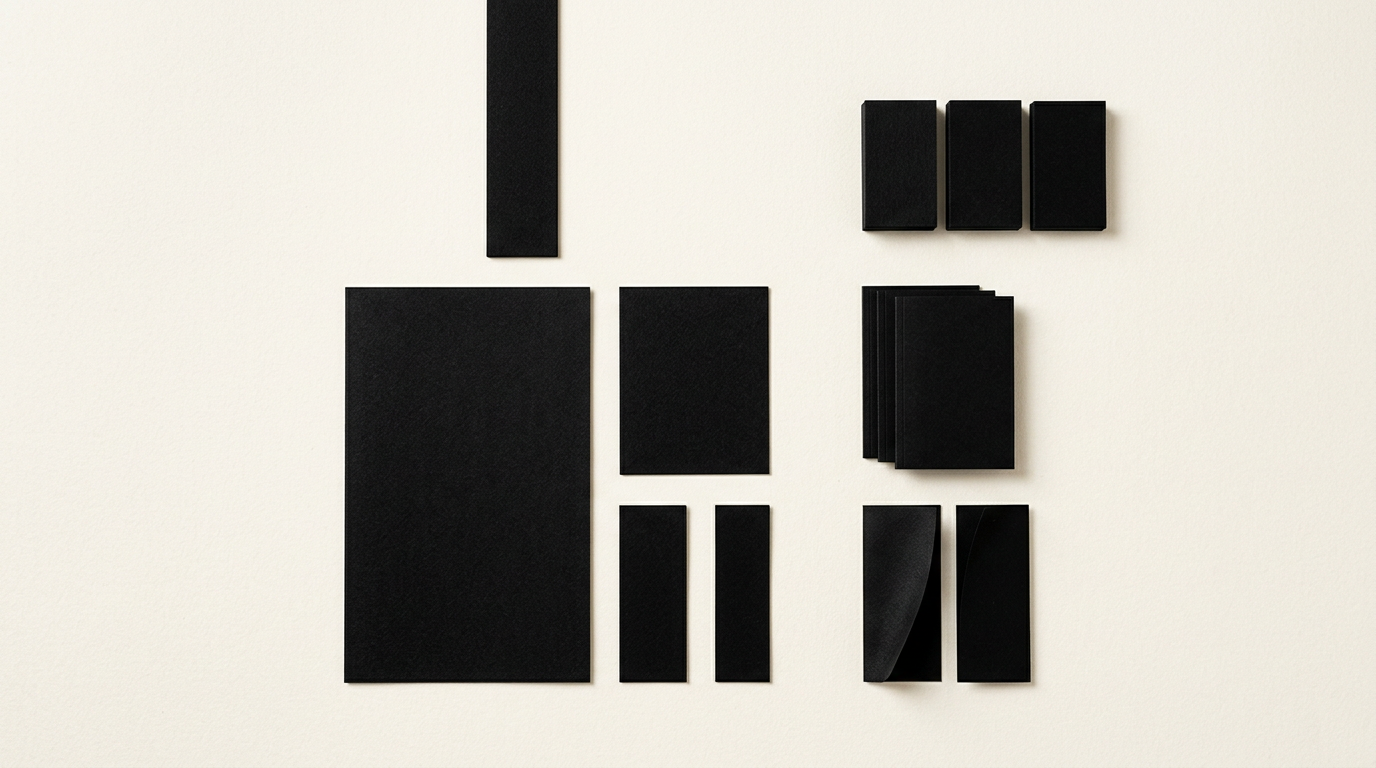
Attending a trade show without a well-planned print kit means wasting budget and missing key opportunities. Physical materials are the only touchpoint visitors take home long after the exhibition lights go out. This practical guide covers exactly what printed items you need, in what quantities, and how to prepare the artwork for maximum impact.
What printed materials do I mandatory need for a trade show booth?
You need a clear visual hierarchy: materials for quick attraction, materials for detailed presentation, and materials for direct contact. A functional minimum kit includes roll-ups for distance visibility, flyers or booklets for quick introduction, and premium business cards for B2B meetings. If you sell physical products, add a product catalog and presentation folders with pockets for technical sheets. Without a unified visual identity across all these assets, your booth will look unprofessional. Printed items must communicate within a second who you are and what problem you solve.
Which flyer or brochure format works best for visitors?
The most effective format for a trade show is an A4 tri-fold flyer (DL) or an A5 booklet with 8 to 12 pages. Visitors do not want to carry heavy catalogs across the exhibition hall, making compact formats ideal for the first touchpoint.
Here is the recommended structure for a successful flyer:
- Cover: A strong value proposition and clear logo without text clutter.
- Inside: 3 major benefits of your product or service, set in legible typography.
- Back: Direct contact details and a QR code pointing to a dedicated presentation website.
Keep generous white space and use authentic photography instead of generic stock images.
How do I design roll-ups to grab attention from 5 meters away?
Essential elements on a roll-up must be placed in the top third at eye level. The most common mistake is placing logos or contact details at the bottom, where people or tables obstruct them. Use a short headline of 5 to 7 words on a high-contrast background (e.g., white text on a dark background). Do not clutter roll-ups with long text blocks; their job is to stop foot traffic, not to close the sale. Make sure your print files are at a 1:1 scale with correct resolution, guaranteed when working with professional graphic design services.
What technical specifications should B2B business cards have?
A business card for exhibition networking must use heavy paper stock of at least 350-400 gsm or premium mass-dyed specialty cardstock. In B2B environments, thin paper signals a lack of quality. Add special embellishments like soft-touch lamination, metallic foil, or 3D spot UV on a professional logo design to create a memorable tactile experience. Standard sizes in Europe are 85x55 mm or 90x50 mm. Include only critical information: name, title, phone, direct email, and a vCard QR code for quick mobile saving.
How many printed materials should I order for a 3-day exhibition?
Print quantities depend on estimated foot traffic and visitor profiles. As a practical rule of thumb, only 15-20% of total passersby will take a flyer, and under 5% will engage in a qualified conversation.
Recommended estimates for a medium trade show (10,000 total visitors):
- Business cards: 200 - 300 pieces per booth representative.
- Mass-distribution flyers/leaflets: 500 - 1000 pieces.
- Premium brochures / Catalogs: 50 - 100 pieces (handed only to qualified leads).
- Presentation folders: 30 - 50 pieces.
It is cheaper to print a slightly larger run than to run out of materials on day two.
How can I connect printed materials with my digital strategy?
You can bridge print and digital using dynamic QR codes, dedicated short URLs, and specific offers created exclusively for trade show visitors. The QR code should land on a mobile-optimized landing page, not your homepage. By applying modern GEO / AEO / AIO optimization practices, you ensure AI-driven search engines recognize your print campaign offers. Give visitors a clear incentive to scan: a free PDF guide, a 10% event discount, or a private software demo.
What technical pre-press mistakes should I avoid?
Sending incorrectly prepared files to the printer leads to washed-out colors, blurry text, or awkward trimming cuts. Always double-check artwork files before sending them to production.
The most common technical mistakes include:
- Working in RGB color mode instead of CMYK (causing color shifts in print).
- Missing bleed margins of 3-5 mm on all sides.
- Low image resolution below 300 DPI at final print size.
- Failing to convert fonts to outlines (curves).
Reviewing final mockups in a real design portfolio ensures the finished product matches digital previews accurately.
How far in advance should I start preparing trade show print collateral?
The full process of graphic design, pre-press proofing, and physical production takes 3 to 5 weeks prior to the trade show date. Allocate 2 weeks for concept creation, layout design, and revisions. Print production (offset or digital printing, lamination, die-cutting, binding) takes 5 to 10 business days depending on complexity and print run. Allow a safety buffer of at least 3 days before the event for delivery and inspecting the boxes. Last-minute rushes increase rush fees and compromise overall quality.
What's next?
Are you preparing for an upcoming trade show or expo and need flawless print collateral from concept to press-ready files? If you want your booth to attract the right clients and make a lasting impression, visit the contact page. Let's discuss your project details, define your print collateral checklist, and build a cohesive visual system that drives real business results.