6 min read
How to Choose Labels for Handcrafted Products?
A practical packaging guide for artisan producers: from legal requirements, materials, and printing, to design costs and brand integration.
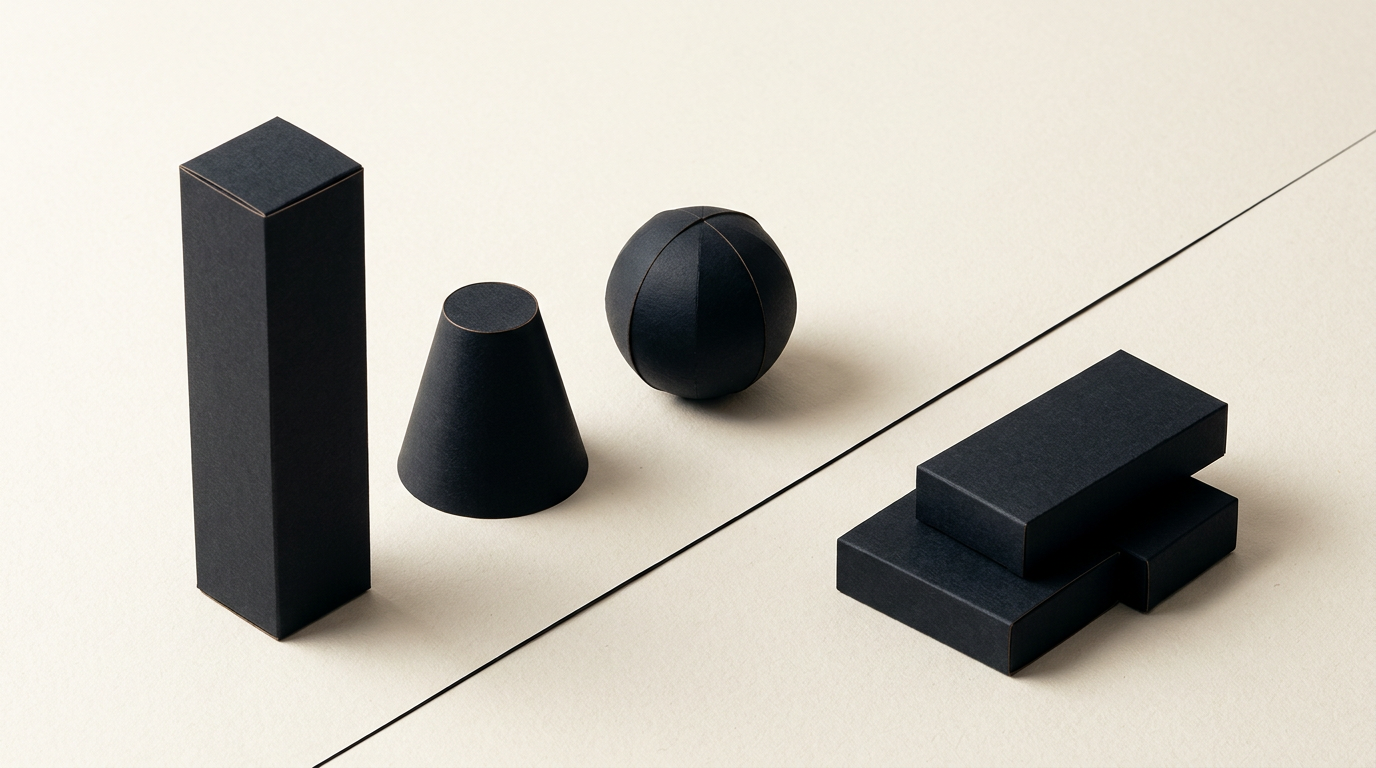
The label of a handcrafted product is the very first visual element a buyer interacts with on the store shelf or on their phone screen. A well-designed label not only complies with mandatory legal requirements, but also justifies a higher price point and transforms ordinary packaging into a memorable brand. In this article, I have compiled the most common questions I receive from local producers regarding label design and packaging print.
What mandatory information must I include on a handcrafted product label?
On any artisan food or cosmetic label, EU and local regulations mandate a clear set of information for consumer safety. The short answer is that you must include the legal product name, ingredients list in descending order of weight, highlighted allergens, net quantity, minimum durability date, and producer contact details.
Here are the essential elements you must organize on your label surface:
- Product name and brand: The clear commercial name of the product along with an optional explanatory subtitle.
- Ingredient list and allergens: Clear visual highlighting of allergenic substances (pursuant to EU Reg. 1169/2011).
- Batch number and expiry date: Traceability information printed or stamped in a clearly designated area.
- Nutritional declaration: The values table per 100g or 100ml, required for most packaged food items.
- Producer address and contact: Full company name, physical address, and direct contact details.
- Storage instructions: Specific temperature or storage conditions required after opening.
How do I choose the right material for a jar or bottle label?
Material selection depends directly on the environment where your handcrafted product is stored, transported, and used. For refrigerated products or items exposed to moisture (such as dairy goods, craft beers, sauces, or wines), plain uncoated paper will degrade quickly. In these scenarios, I recommend white or clear polypropylene (PP), which is fully resistant to water, condensation, and oils.
For natural cosmetics, honey, or scented candles, a textured cotton or recycled paper provides a tactile feel that highlights craft quality. It is crucial to test the adhesive on the final container: glass, PET plastic, or metal require different adhesive types (permanent, freezer-grade, or removable). Finishing touches like spot UV varnish or metallic foil add scratch resistance and visual elegance on retail shelves.
How much does graphic design cost for a handcrafted product label?
The cost for designing a handcrafted product label typically ranges from 150 to 500 euros per product, depending on visual complexity, custom illustrations, and the number of SKU variations. Investing in professional design grafic services covers competitor research, visual concepts, print-ready file preparation (DTP), and realistic 3D mockups.
The challenge is not simply placing text on a small 10x5 cm surface, but properly hierarchyizing information and building retail shelf impact. If you have a lineup of 5 jam jars, the master template design costs more initially, while subsequent flavor adaptations come at a reduced rate per item (usually 40–70 euros/variant). Getting the design right from the start prevents expensive print shop mistakes where text errors or low resolution can waste a press run of thousands. You can review different visual approaches in my portofoliu.
What is the difference between digital and flexographic label printing?
Digital printing is ideal for small to medium print runs (between 100 and 5,000 units), whereas flexography becomes cost-effective for large productions over 10,000–20,000 labels. Digital printing requires no expensive printing plates, enabling quick text updates or limited editions with minimal setup costs per project.
Furthermore, digital technology delivers crisp detail quality and smooth color gradients. On the flip side, flexography offers a significantly lower unit cost at massive volumes, but requires higher upfront costs for printing plates and press setup. For a growing artisan business, digital roll printing remains the most flexible and financially sound choice.
How does the label influence perceived price for the customer?
The label is the primary visual factor that justifies a 30% to 100% price premium between an industrial item and a handcrafted product. Customers cannot taste the jam or smell the soap through sealed packaging; therefore, they judge content quality directly by the appearance of the outer packaging. A cheap label printed on ordinary paper subconsciously communicates an amateur product.
Visual elements that elevate perceived brand value include:
- Premium finishes: Metallic foil stamping (gold/silver) and tactile embossing/debossing.
- Textured paper stock: Matte, porous, or natural fiber papers suggesting authenticity and sustainability.
- Brand consistency: Seamless integration into a structured identitate vizuală system.
- Generous white space: Strategic use of uncluttered layout space to highlight key brand attributes.
What label shapes and dimensions are recommended for small batches?
Rectangle shapes with rounded corners (2-3 mm radius) and oval shapes are the most economical and versatile options for small batch runs. Custom die-cut shapes require specialized cutting dies that add 50–150 euros to your initial setup fee, unless your print supplier uses a digital laser die-cutter.
For standard 200g–370g jars, a wraparound label (covering 70-80% of the circumference) works exceptionally well, with common sizes like 200x50 mm or 180x40 mm. For wine or oil bottles, a two-piece front and back label setup provides a much sleeker aesthetic than a single oversized label. I always advise printing a 1:1 scale paper proof on a home printer and applying it to your container before signing off on final press production.
How do I integrate the label into an existing brand identity?
Your label must act as a natural extension of your brand identity, incorporating your established color palette, fonts, and graphic style. If you have already completed a creare logo project, the label should give your logo a prominent focal point, typically in the top third of the front panel.
The typography selected for the product name and descriptive copy should match or complement your primary brand fonts. Moreover, the tone of voice used in copy descriptions should reflect the authentic story of your craft brand. If your brand highlights rustic traditions, warm tones and textured paper are ideal; if you aim for modern minimalism, opt for clean backgrounds and geometric typography.
What common printing mistakes should I avoid on product labels?
The most frequent technical mistake is submitting files to the printer in RGB color mode instead of CMYK, which leads to unpredictable color shifts on printed stock. The second major error is neglecting cut bleed (minimum 2 mm bleed area), resulting in unwanted white borders along cut label edges.
Additionally, setting ingredient fonts below 5–6 points renders text unreadable once printed. Lastly, many producers fail to verify image resolution (which must be at least 300 DPI at actual size) or forget to convert text to vector outlines, risking font substitution errors during prepress processing.
How can I promote handcrafted packaged products online?
Eye-catching physical packaging is your best visual content asset for social media and your e-commerce store. High-quality product photography displayed on a dedicated site-prezentare significantly boosts conversion rates and consumer trust.
To attract new organic shoppers from search engines and AI assistants, applying search techniques like GEO / AEO / AIO optimization helps algorithms recognize the artisanal craftsmanship of your products. Share behind-the-scenes packaging clips, close-up label texture shots, and customer unboxing reviews across your digital channels.
What's next?
If you have a great handcrafted product and need custom packaging labels that command attention on retail shelves, the next step is transforming your ideas into print-ready artwork. As a freelance graphic designer, I can guide you through every stage: from visual concept and content layout to prepress DTP delivery.
Visit the contact page and send over your project details for an initial consultation and a tailored quote for your packaging needs.