5 min read
How to Choose the Right Paper for Print? (Practical Guide)
A comprehensive Q&A guide on choosing paper weight, finishes, and paper types for high-quality printed materials.
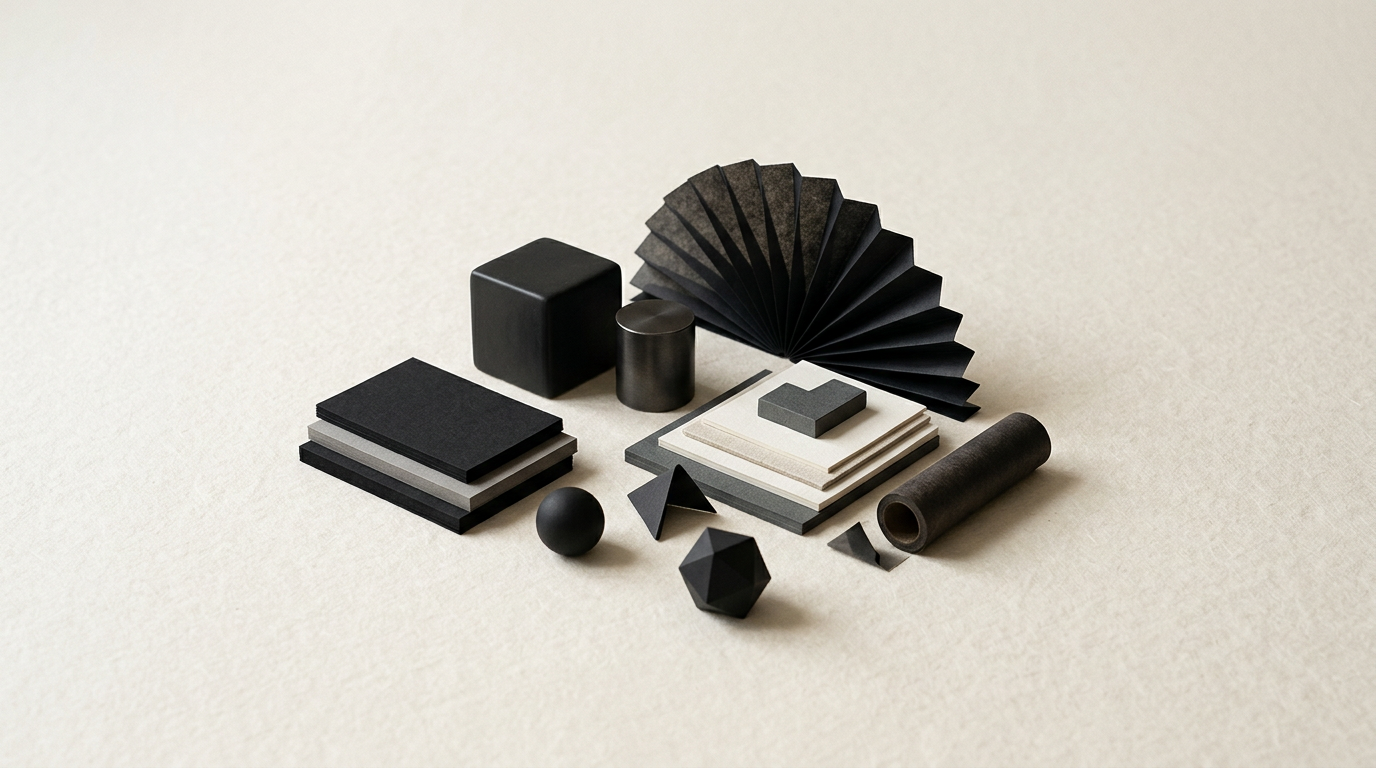
Choosing the right paper transforms a digital file into a memorable and durable physical object. Paper weight, texture, and finish directly impact how customers perceive your brand and determine the final production cost at the print shop. Here are clear answers to the most frequently asked questions about selecting the perfect print substrate for your project.
What paper weight (gsm) should I choose for flyers, business cards, or brochures?
Paper weight must be selected based strictly on material functionality and required durability. For mass-distributed promotional flyers, lightweight paper between 90 and 135 gsm is typically used because it is easy to fold and cost-effective. Inner pages of a brochure require a medium weight of 150–200 gsm to prevent ink bleed-through from one side to the other. Business cards, presentation folders, and brochure covers demand rigidity, requiring 300–400 gsm paper stock. A properly crafted identitate vizuală will always include precise paper weight specifications for every communication piece, ensuring brand consistency across all physical media.
What is the difference between matte, glossy, and uncoated (offset) paper?
The main difference lies in how the paper surface absorbs ink and reflects ambient light.
- Glossy Paper: Features a smooth, shiny surface that boosts color saturation and photographic contrast, making it ideal for product catalogs, food imagery, and high-impact flyers.
- Matte Paper (Silk/Matt): Provides a smooth surface without distracting light reflections, making it easy to read under direct lighting. It is the top choice for corporate reports, text-heavy brochures, and elegant publications.
- Uncoated Paper (Offset): Has a porous texture similar to standard office printer paper, but of higher quality. It absorbs ink rapidly, making it extremely easy to write on with pens or pencils.
What is double-coated paper and when should you use it?
Double-coated paper features a fine mineral coating applied to both sides, sealing the pores of the cellulose fibers. This coating prevents ink from soaking deep into the material structure, keeping ink droplets on the surface for exceptional detail clarity. It is recommended for any project where accurate color reproduction and sharp resolution are critical: art catalogs, photo books, magazine covers, and technical brochures. If you recently completed a creare logo project featuring subtle gradients or precise colors, double-coated paper is the safe choice to reproduce exact color codes without absorption-induced color shifts.
Why do colors look different on paper compared to a computer monitor?
Monitors display colors using direct light in the RGB color space, whereas commercial printing uses light reflection over inks in the CMYK system. Screens can display vibrant, neon shades that physical inks cannot reproduce directly without specialized Pantone pigments. Furthermore, paper type changes color perception: uncoated paper absorbs more ink, making colors appear 10–15% darker and less saturated than on coated paper. Calibrating artwork files and running a physical press proof are essential steps to adjust color density before sending the entire batch to final production.
What special finishes can I add to paper for a premium effect?
Special post-press finishes increase material durability and create a memorable tactile and visual contrast.
- Lamination (Plastification): Available in matte, gloss, or Soft-Touch (velvety), protecting paper from moisture, fingerprints, and edge cracking when folded.
- Selective Spot UV (Scodix): Applies a glossy, raised clear coat only over specific areas (such as a logo or title) to create a subtle 3D tactile effect.
- Embossing / Debossing: Presses the paper to create raised or recessed elements within the cardstock structure.
- Foil Stamping: Applies metallic foil (gold, silver, copper) using heat and pressure for luxury detailing.
In my portofoliu section, you can review real projects where combining matte lamination with spot UV transformed simple packaging into a high-end product.
How does eco-friendly or recycled paper affect print quality?
Modern recycled paper delivers print quality very close to standard paper while adding an authentic, sustainable character to your brand. The surface of eco-friendly paper contains subtle visible fibers and natural specks that give a warm, organic texture. However, keep in mind that 100% recycled stock absorbs more ink, which slightly reduces dot sharpness and may desaturate highly detailed photos. It is excellent for brand identities promoting environmental responsibility, but less suitable for high-precision photo books where pristine white background space is mandatory.
How much does printing on specialty paper cost compared to standard paper?
Specialty papers (linen, pearlescent, cotton, or mass-dyed stock) increase paper substrate costs by 50% to 300% compared to standard coated paper. Total printing costs consist of prepress setup (fixed), printing plates, ink, and physical paper costs. For small print runs (such as 100 business cards), the absolute price difference between standard and luxury stock is minimal, making the upgrade highly cost-effective. For large runs of tens of thousands of flyers, the price difference becomes significant, which is why optimizing layout sizes to fit press sheets without material waste is critical.
How do I properly prepare graphic design files to avoid printing errors?
Proper prepress file preparation requires converting all design elements to the CMYK color profile and adding a minimum 3 mm bleed margin to all sides. Integrated images must have a native resolution of at least 300 DPI at 100% scale, and all fonts must be converted to outlines to prevent font substitution errors at the print shop. Additionally, small black text should be set to 100% K (Pure Black) rather than Rich Black to avoid registration misalignments on offset presses. Professional design grafic services always deliver press-ready PDF/X-1a files, eliminating production delays or reprinting costs.
What comes next?
Choosing your paper stock should never be a random decision; it must align seamlessly with your artwork design and business objectives. If you need assistance with visual concepts, technical prepress setup, or selecting the finest paper finishes for your print materials, head over to the contact page. We can review the technical details of your project to ensure flawless production quality.