5 min read
How to Choose the Right Paper for Printed Materials?
Practical guide to choosing print paper: weight, texture, finishes, and technical file setup for flawless printing.
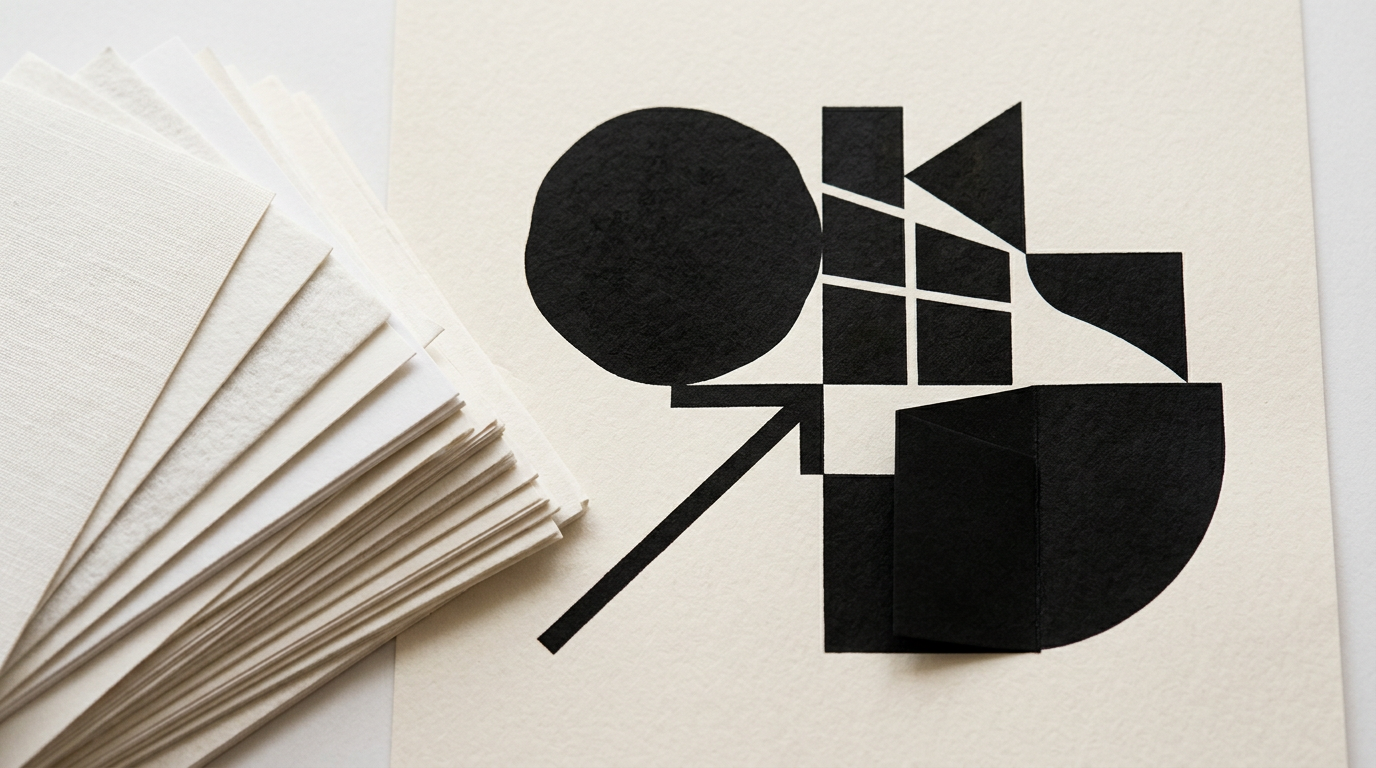
Choosing the right paper transforms a digital file into a memorable physical product. From paper weight and texture to special finishes, technical decisions directly shape how your brand is perceived. In this guide, I answer the most frequent questions I receive about paper selection during the printing process.
How does paper weight affect the final print quality?
Paper weight (measured in grams per square meter - gsm) determines the rigidity, opacity, and tactile feel of the printed material. Higher weight does not automatically mean higher quality, but rather suitability for a specific use case. For high-volume flyers or promotional leaflets, 90–135 gsm paper is standard, whereas catalogs, premium brochures, or letterheads require 150–250 gsm. Business cards and packaging demand rigid paperboards of 300–400 gsm. When delivering design grafic services, I advise clients to choose paper weight based on distribution: direct mail flyers need lighter paper to save on shipping, while presentation catalogs require firmness to handle frequent page flips.
What is the difference between matte and glossy paper?
Glossy paper reflects light and enhances color saturation, while matte paper absorbs light and offers excellent readability without reflective glare. Glossy paper is ideal for photo brochures, magazines, and product catalogs where visual detail needs to pop. On the other hand, matte paper is the correct choice for text-heavy materials such as annual reports, restaurant menus, or corporate documentation.
Key differences between finishes:
- Glossy: vibrant colors, high contrast, but prone to fingerprints on dark backgrounds.
- Matte: maximum readability, understated elegant look, softer tactile texture.
- Satin/Silk: the ideal middle ground for balanced identitate vizuală projects.
When should I choose specialty or textured paper?
Specialty or textured paper is recommended when you want to communicate craftsmanship, attention to detail, sustainability, or luxury. Manufacturers like Fedrigoni or Arjowiggins offer papers with linen, recycled, felt, or 100% cotton textures. These options work exceptionally well for diplomas, invitations, wine labels, or luxury packaging. However, textured papers absorb more ink and can reduce the sharpness of photorealistic images or fine gradients. If your project features a logo with ultra-thin lines, pre-press adjustments are necessary to prevent detail loss on porous surfaces.
What is lamination and why is it necessary?
Lamination involves applying a thin plastic film over the printed paper (usually 250 gsm and above) for mechanical protection and an enhanced finish. This process prevents paper cracking at the fold lines and protects the print against moisture, scratches, and daily wear and tear.
Common lamination types:
- Matte lamination: provides an elegant finish, reduces reflections, and is highly durable.
- Gloss lamination: intensifies colors and effectively protects presentation folders or covers.
- Soft-Touch lamination: delivers a velvety, peach-skin tactile feel.
- Anti-scratch lamination: prevents subtle scuffs on dark solid background prints.
How can I match monitor colors with final printed colors?
Monitors display colors in RGB mode (Red, Green, Blue light), while print production relies on CMYK (Cyan, Magenta, Yellow, Key/Black inks) or Pantone systems. Automatic conversion without proper color management results in dull colors or drastic tone shifts. To ensure color accuracy:
- Work in the CMYK color space from the very start of the print file design.
- Use physical color swatch books (Pantone Matching System) for brand-critical colors.
- Periodically calibrate your design display with a hardware colorimeter.
- Request a physical or calibrated digital press proof before approving the full print run.
How does paper choice impact the overall print budget?
Paper accounts for 30% to 60% of total print production costs, depending on job volume and specifications. Standard coated paper is the most cost-effective option, while specialty textures, FSC-certified recycled stocks, or cotton papers can cost 3 to 8 times more per sheet. An efficient way to optimize budgets is aligning project dimensions with standard press sheet sizes (70x100 cm or 50x70 cm) to minimize paper waste. In my portofoliu, you can see real examples where smart format and paper choices reduced production costs by over 20% without compromising visual quality.
What common mistakes should be avoided in pre-press file setup?
The most expensive printing errors rarely stem from the paper itself, but from incorrect print file preparation. A poorly prepared file can lead to misaligned cuts or pixelated images on your selected paper stock.
Common errors to avoid:
- Missing bleed area (2-3 mm extra edge) required for clean trimming.
- Image resolution under 300 DPI (dots per inch), leading to blurry physical prints.
- Unconverted fonts (not converted to outlines), causing font replacement at the print shop.
- Small body text set in 4-color CMYK instead of 100% Black.
What do paper environmental standards mean and how do I spot them?
Choosing eco-friendly paper means checking for environmental certifications that verify sustainable wood sourcing and non-polluting manufacturing processes. FSC (Forest Stewardship Council) certification guarantees wood comes from responsibly managed forests. PEFC certification offers similar material traceability assurances. Additionally, 100% post-consumer recycled paper reduces carbon footprint by up to 40% compared to virgin fiber. If you want to optimize your brand strategy across touchpoints, you can explore guides on optimizare GEO / AEO / AIO pentru vizibilitate în AI or choose certified eco paper options for your physical assets.
What's next?
If you are planning a print project, packaging design, or full brand refresh and are unsure which physical substrate fits best, I can help with technical guidance and print-ready graphic design. From paper selection to press proof approvals, I ensure seamless delivery. Visit the contact page to discuss your project details or request a cost estimate.