6 min read
How to choose and prepare custom print for corporate gifts?
Technical and practical guide on file preparation, choosing print techniques, and optimizing budgets for custom corporate gifts and packaging.
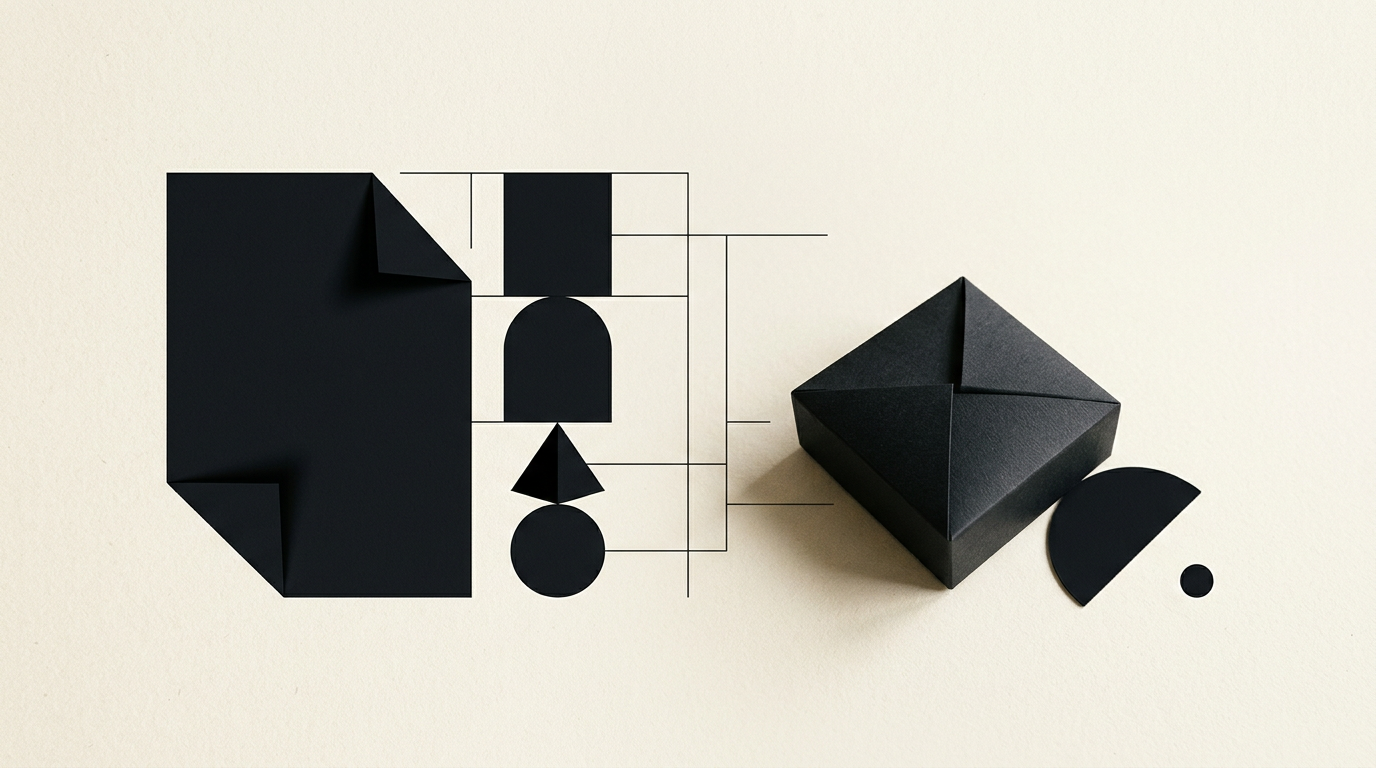
Customizing corporate gifts turns everyday items into memorable positioning tools for your brand. For the final result to convey quality and attention to detail, the graphic project must be flawlessly prepared from a technical standpoint. In this guide, I explain exactly what custom printing involves, from file preparation and material selection to realistic budgets and delivery timelines.
What types of materials support custom printing for corporate gifts?
Almost any solid, textile, or paper material can be customized using modern printing techniques, provided the right method is chosen for that specific surface. Wood, metal, or glass items react differently to inks compared to textiles or eco-leather. During the graphic design process, selecting the substrate directly affects line thickness, font legibility, and color saturation. For a successful promotional batch, the most frequently used materials include:
- Wood and bamboo (premium boxes, phone stands, notebooks) – ideal for direct laser engraving.
- Ceramics, glass, and stainless steel (mugs, thermal bottles) – suited for UV printing or circular screen printing.
- Cotton and polyester (apparel, tote bags, hoodies) – optimized for DTF (Direct to Film) or embroidery.
- Felt and synthetic leather (folders, laptop sleeves) – excellent for debossing or gold foil stamping.
- Coated paper and corrugated cardboard (gift boxes, wrapping sleeves) – ideal for offset or digital printing.
How much does customizing promotional items cost for a batch of 100 units?
The total cost of customizing a 100-unit batch generally ranges between 300 and 1,500 euros, depending on the chosen item and applied printing technique. This price includes the purchase cost of the raw product, initial digital setup or plates, printing labor, and special finishes. For example, customizing 100 metal mugs via laser engraving costs around 4 to 6 euros per unit, while a premium gift set containing a leather notebook and an engraved metal pen can reach 12 to 15 euros per unit. Machine setup adds a fixed cost of 15 to 40 euros per job, regardless of quantity. Consequently, runs under 50 units carry a significantly higher unit price.
What graphic files do I need to send to the printer for a clean print?
The printing house strictly requires vector files in PDF/X-1a, EPS, or AI format, with all fonts converted to outlines. If you only provide raster files such as PNG or JPG downloaded from the web, the logo will end up pixelated, with blurry or unclear edges on the final product. When executing a professional logo design, we always deliver production-ready files with CMYK color profiles or specific Pantone codes matched for printing equipment. Furthermore, if the artwork includes background images, they must carry a native resolution of at least 300 DPI at a 1:1 scale. Always remember to include a 2-3 mm bleed area for paper or cardboard items to prevent unwanted white edges during trimming.
How do I choose the right printing technique: UV, pad printing, engraving, or embroidery?
Selecting the right printing technique depends on the substrate material, object shape, desired durability, and the number of colors in the artwork. Choosing the wrong method can cause ink peeling after a few uses or loss of fine detail.
- Direct UV Printing: Excellent for flat plastic, wood, glass, or metal surfaces. Delivers vibrant colors, handles complex gradients, and dries instantly.
- Pad Printing: Ideal for small, curved, or irregular objects (pens, lighters, stress balls). Applies quickly, though limited to solid spot colors without smooth gradients.
- Laser Engraving: The most durable method for metal, wood, and leather. Uses no ink; instead, it etches into the material for an elegant, monochromatic look.
- Computerized Embroidery: The premium choice for apparel, caps, and towels. Withstands hundreds of wash cycles while delivering a distinctive three-dimensional texture.
Why do colors look different on a leather notebook versus a monitor?
Screen colors are generated via direct RGB light, whereas printing uses physical pigments absorbed by the material in CMYK or specialized systems like Pantone. Leather, natural cardboard, or textiles absorb ink differently, shifting the brightness and saturation of the original hue. Furthermore, uncalibrated monitors display brighter shades than can be reproduced on matte or porous surfaces. When defining a complete visual identity, we establish clear equivalents between RGB/HEX screen codes and Pantone codes for packaging and corporate gifts. To avoid unpleasant surprises, always request a physical proof before approving full production runs.
What is the realistic production and delivery time for Christmas or anniversary gifts?
Realistic production and delivery times for customized corporate gifts range from 10 to 15 business days after final proof approval. During the peak November–December season, when national demand spikes, lead times can easily double to 20–25 business days. The process encompasses sourcing raw goods from suppliers (2-4 days), file preparation and machine calibration (1-2 days), actual printing (3-5 days), and finishing or drying cycles (1-2 days). If your project includes custom box packaging built from scratch, add another 5-7 days for die-cutting and gluing. Early planning remains the safest way to avoid rush fees and holiday delays.
How do I avoid common mistakes when personalizing corporate gift packaging?
Packaging errors are avoided by strictly adhering to the technical dieline provided by the box manufacturer. Common mistakes include placing text too close to fold lines, omitting required bleed areas, and choosing paperboard that is too thin to support the item weight. Custom gift boxes require corrugated board of at least 1.5–2 mm thickness to adequately protect fragile items like bottles or ceramics. Attention to finishing touches—such as spot UV varnish or foil stamping—elevates a standard box into a memorable unboxing experience. In my portfolio section, you can review projects where custom packaging doubled the perceived value of the gift set without exceeding the production budget.
How do I ensure the gift branding aligns with the rest of the company's image?
Ensuring brand consistency across corporate gifts requires strict adherence to brand guidelines and adapting graphic elements to the printed object's dimensions. Logos, typography, and color palettes used on physical items should act as a natural extension of your digital presence, such as a modern presentation website. If your site features a minimalist aesthetic, your corporate gifts should not be cluttered with aggressive sales copy or loud multicolored graphics. Use simplified logo marks for small items (pens, USB drives) and reserve full lockups for boxes, notebooks, or display plaques. Maintaining consistent composition rules builds a unified brand experience for clients and partners alike.
What is a print proof and why shouldn't you skip this step?
A print proof is a physical sample or signed digital proof confirming that the final graphic version is approved for mass production. Skipping this step is the primary cause of printing errors, ranging from unnoticed typos to incorrect color shifts or misaligned layouts. A physical print proof allows you to verify color accuracy on actual stock, test ink adhesion, and confirm the legibility of small fonts. Catching an error during this phase costs a fraction of the expense compared to discarding a batch of 500 defective units. Written approval of the proof transfers technical execution responsibility to the printer, protecting your investment.
What's next?
If you are planning a corporate gift campaign and need clean, production-ready graphic design and packaging design, I can provide technical and creative support from initial concepts to final press files. Send me your project details through the contact page, and we will determine the ideal graphic solution for your brand.