6 min read
How to create social media design that doesn't look like a template?
Discover how to build a unique visual system for social media, moving beyond generic Canva templates with scalable, authentic brand design.
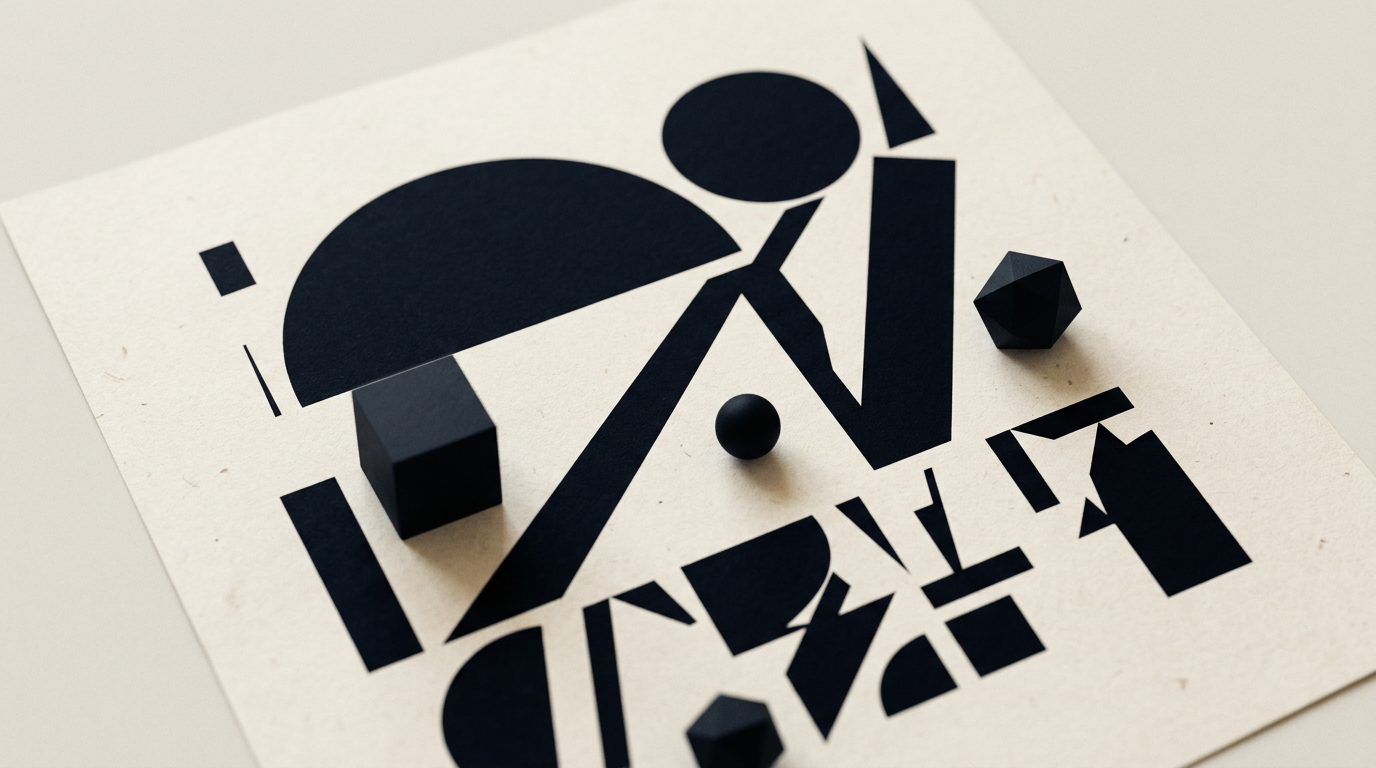
Most brands on social media rely on the same free or cheap templates, resulting in a dull and easily ignored feed. If you want your posts to stand out, you need a custom visual system built around your brand identity, not copy-paste templates. In this article, you will learn exactly how to transition from generic images to a memorable digital presence.
Why do my social media posts look just like my competitors'?
Your posts look generic because you are using pre-made templates from popular tools like Canva that are simultaneously accessible to thousands of other businesses in your niche. When you pick a pre-designed layout, you adopt widely used fonts, color schemes, and spatial arrangements that your audience's visual algorithm instantly flags as ads or mass content. Breaking away from this monotony requires dedicated design grafic tailored specifically to your business goals.
True differentiation does not come from piling more decorative elements onto an image, but from consistently applying unique visual rules:
- A clear, custom typographic hierarchy engineered for mobile readability.
- Custom photography angles and authentic visual style guidelines.
- Calculated negative space that lets your core message breathe without clutter.
What is the real difference between Canva and custom graphic design?
The fundamental difference between Canva and custom design lies in the strategy behind design decisions and the exclusivity of the assets used. Canva offers fast tools for non-designers, but its templates are built to be broad and suitable for anyone, which completely destroys your brand differentiation. A professional designer crafts a visual system from scratch, anchored directly to a well-structured identitate vizuala.
Key technical and strategic differences include:
- In Canva, fonts and illustrations are publicly licensed and shared by millions; in custom design, assets are bespoke.
- Custom design incorporates flexible grids, micro-content formats, and modular systems built to scale.
- Professional master files are technically prepared for seamless adaptation across digital channels or print without quality loss.
Investing in a proprietary design system removes the amateur feel and instantly builds trust with premium clients.
How can I build a cohesive visual brand without repeating the same 3 templates forever?
Building a cohesive brand does not mean obsessively repeating the same 3 static layouts, but applying a modular style guide based on clear principles. A mature visual identity uses design variables like accent colors, typographic shifts, and image framing to create variety while keeping immediate brand recognition. Instead of locking text and photos into rigid boxes, you create a system of modular pieces that can be reconfigured in dozens of ways without losing consistency. It all starts with a versatile creare logo and a color palette optimized for modern screens. When you establish rules for typography spacing, image treatments, and secondary graphics, every new post looks fresh in structure yet immediately recognizable as your brand.
How much time and resources does it take to create a dedicated social media visual system?
Developing a dedicated visual system usually takes between 2 to 4 weeks, depending on brand complexity and the required range of formats. The process is not about delivering 10 static images, but building an entire library of scalable assets: carousel kits, Story frames, video covers, and typographic layouts for quotes or data points.
The resources required from your side include:
- A clear brief detailing your business goals and exact target audience profile.
- Access to existing visual assets (product photos, licensed fonts, brand guidelines).
- Time for 2-3 structured feedback sessions at key project milestones.
Once implemented, this system cuts your internal production time from hours per post down to just 15-20 minutes, completely removing creative block.
How do I integrate my visual identity into dynamic formats like Reels or Stories?
Integrating your visual identity into short videos is achieved through motion graphics, custom typographic overlays, and consistent brand colors across backgrounds and transitions. Placing a static logo in the corner for 15 seconds is not enough; graphic elements must animate in rhythm with your message. Using your official brand font for captions, applying custom video color grades, and creating branded intro and outro motion templates converts ordinary video clips into valuable brand assets. Furthermore, if you operate a modern site-prezentare, the animation style from your website can be mirrored directly into your video feed, building a seamless brand experience between web and social platforms.
What specific graphic elements stop the scroll in the first 2 seconds?
To break the feed scrolling habit (pattern disruption), a post must leverage high contrast, bold visual hierarchy, and an unmistakable focal point. Users do not read caption text on first glance; they process shape, color, and overall layout in less than 200 milliseconds.
Essential graphic elements for an effective visual hook include:
- A short headline set in a large custom font, positioned in the top third of the frame.
- High-saturation accent colors that contrast sharply against neutral background tones.
- Cutout imagery or unique vector illustrations layered intelligently over background elements.
Avoid crowding 4-5 competing ideas into one graphic. Professional design delivers a single clear message per frame, easily readable even on low-brightness mobile screens.
Do we need to change our graphics for each individual social media platform?
Yes, graphics must be tailored to the technical specs and user habits of each specific platform. A square Instagram graphic (1:1 or 4:5) does not perform effectively on LinkedIn or Pinterest, where taller vertical or widescreen horizontal formats dictate content consumption. For instance, Instagram carousels rely on seamless swipe graphics that cross frame borders to drive engagement, whereas LinkedIn favors clean document layouts focused on PDF readability. You can explore concrete examples of cross-platform design adaptations in my portofoliu. Adapting graphics does not mean changing your brand, but applying the correct visual grid and proportions for each channel.
How do AI visual tools affect how we produce social media graphics?
AI tools are excellent assistants for brainstorming or rapid image editing, but they cannot replace a strategically engineered brand system. Without creative direction, AI-generated graphics often look synthetic, generic, and quickly recognizable by users, undermining trust. Moreover, to gain visibility in modern AI-driven search environments, a brand requires geo-aeo-aio optimization and an authentic visual presence that validates the entity behind the business. Professional graphic design leverages AI strictly to speed up technical workflows, while decisions on style, composition, readability, and brand positioning remain 100% human and grounded in market reality.
What's next?
If you are ready to stop having your brand look like a generic template shared by 100 other businesses, it is time to elevate your visual presence. I design unique, long-lasting visual systems for social media, branding, packaging, and web development aligned with your business goals. Let's discuss your project! Visit my contact page or reach out directly for a free visual assessment of your current social media profiles.