6 min read
How to Design Artisan Product Labels? (FAQ Guide)
A complete FAQ guide on designing, legal requirements, and print prep for handmade and artisan product labels.
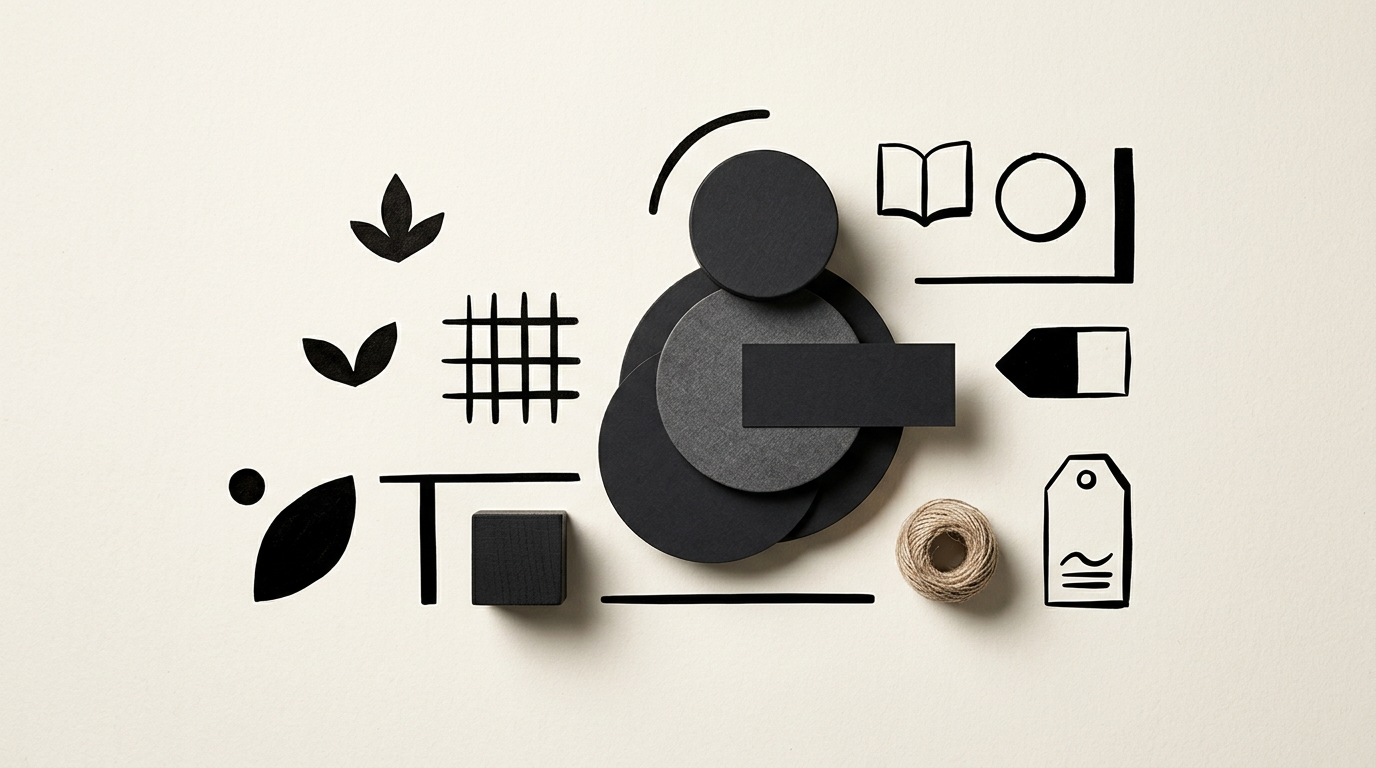
A craft product’s label is the very first physical touchpoint a customer has with your brand. A well-thought-out label not only grabs attention on the shelf but instantly communicates the value of your handmade process while complying with legal regulations. This FAQ-style guide walks you through the technical steps and design choices needed to create durable, memorable product labels.
What mandatory information must I include on an artisan product label?
An artisan product label must include brand identification elements, the legal product name, ingredient or material list, net quantity, and producer contact details.
Depending on the product category (food, cosmetics, candles), EU regulations mandate specific disclosures. For artisanal food (honey, jams, sauces), bolded allergens, batch numbers, and expiration dates are mandatory. Cosmetics require CPNP registration and the Period After Opening (PAO) icon. The core technical requirements include:
- Commercial product name and type (e.g., "Lavender Natural Soap").
- Net volume or weight (e.g., 100g, 250ml) and storage conditions.
- Ingredients list in descending order of weight (INCI names for cosmetics).
- Manufacturer details (company name, address, website) and country of origin.
The label should never feel cluttered on small containers; working with professional design grafic services helps prioritize text hierarchy on small surfaces.
What materials and finishes work best for jars, bottles, or candles?
Material selection depends directly on the environment where your artisan product is stored and used.
For honey or jam jars stored in dry pantries, textured paper (cotton or recycled stock) delivers an authentic, handcrafted feel. However, if your product contacts water or oils (liquid soaps, cosmetics, refrigerated syrup bottles), white or clear polypropylene (PP) is mandatory for moisture and tear resistance. For glass or tin candles, heat-resistant adhesive is essential. Finishes like 3D spot UV, hot foil stamping (gold/silver), or custom die-cuts elevate the premium look. Check my portofoliu to see real-world examples of labels tailored to various containers.
How much does custom design for an artisan product label cost?
Design pricing for an initial artisan product label typically ranges between 150 and 400 EUR per base SKU.
This cost includes market research, visual concept development, technical data layout, print-ready file preparation (DTP), and 2–3 revision rounds. If your range includes flavor or scent variations (e.g., 5 jam varieties sharing one layout framework), the cost per additional variant drops significantly to 30–70 EUR per extra SKU. Investing in professional layout prevents costly re-prints caused by illegible typography or improper bleed margins. If you need a tailored quote, reach out directly through the contact page.
How do I choose colors and typography for a premium, authentic look?
A premium aesthetic is achieved through visual restraint: use a maximum of two font families and a curated palette of 2–3 colors.
Low-end artisan products often suffer from cluttered graphics, overly ornate handwriting fonts, and harsh colors. For a high-end feel, pair a classic serif font for headers with a clean sans-serif for high legibility at tiny sizes (6–8pt). Earthy tones (terracotta green, warm beige, deep brown, olive) reflect natural ingredients, while matte white or deep black project luxury. Ensure a text-to-background contrast ratio of at least 4.5:1 so details remain readable under dim retail lighting.
What is the difference between roll labels and sheet-cut labels?
Roll labels are engineered for machine or semi-automatic application, whereas sheet labels are printed on flat sheets for manual application.
For micro-batches (under 300–500 units per month) applied by hand, sheet-printed labels offer lower upfront printing setup costs. However, as production scales, roll labels become mandatory. They allow rapid application via manual dispensers or semi-automatic labeling machines, saving dozens of labor hours. Industrial roll printers also unlock advanced embellishments like hot foil, tactile varnishes, and intricate custom die-cut shapes.
Why do I need a clear visual identity before designing my labels?
Designing a label in isolation without brand guidelines leads to visual mismatch when expanding your product lineup or launching a website.
A label is an extension of your overall brand ecosystem. Before designing packaging, you need a vector-based creare logo and a cohesive identitate vizuală. This framework defines typography rules, brand colors, illustration styles, and logo placement. Without it, new product variants risk looking like entirely different brands. Establishing strong design foundations ensures instant shelf recognition across retail and digital channels.
How do I prepare label artwork for print without technical errors?
Print-ready files must be exported as vector PDFs (PDF/X-1a or PDF/X-4) using CMYK color mode or specific Pantone swatches.
Prepress mistakes lead to delayed production and wasted materials. To guarantee flawless physical printing, adhere to these technical standards: set raster image resolution to at least 300 DPI at 1:1 scale, and include a minimum bleed allowance of 2–3 mm on all outer edges. Convert all small text to vector outlines to prevent font substitution errors, and place the die-cut line on a dedicated technical layer set to Spot Color with Overprint enabled. Failing to convert RGB colors to CMYK beforehand will cause severe color shifts on paper.
How can product labels and packaging boost online and AI visibility?
High-resolution packaging photos paired with structured website text enable search engines and AI engines to interpret your product accurately.
Buyers discover handmade goods not just on social feeds, but through visual search engines and conversational AI assistants. When building a dedicated site de prezentare for your workshop, showcasing crisp label photography and ingredient breakdowns feeds search models. Utilizing targeted optimizare GEO / AEO / AIO practices ensures label details (organic claims, origin, ingredients) are indexed by AI platforms, driving qualified buyers straight to your niche products.
What common mistakes do small producers make when DIYing label design?
The single biggest mistake is cramming too much tiny text onto the layout, rendering it unreadable on the physical container.
Trying to squeeze your entire brand narrative onto a small sticker harms curb appeal. Common pitfalls observed in small-batch manufacturing include:
- Using low-resolution web graphics (72 DPI) that print blurry or pixelated.
- Poor color contrast (e.g., dark brown text printed on raw brown kraft paper).
- Placing text too close to trim boundaries, resulting in chopped-off lettering during cutting.
- Selecting inappropriate adhesive types, causing labels to peel off glass or plastic containers over time.
What's Next?
Ready to make your handmade products stand out on crowded shelves with print-perfect packaging? I design custom product labels aligned with your brand's core identity. Review past packaging projects in my portofoliu or get in touch through the contact page to discuss your upcoming products.