5 min read
How to Create Restaurant Menus That Drive Higher Sales?
A practical Q&A guide on menu design, durable print materials, and psychological techniques that increase the average bill size.
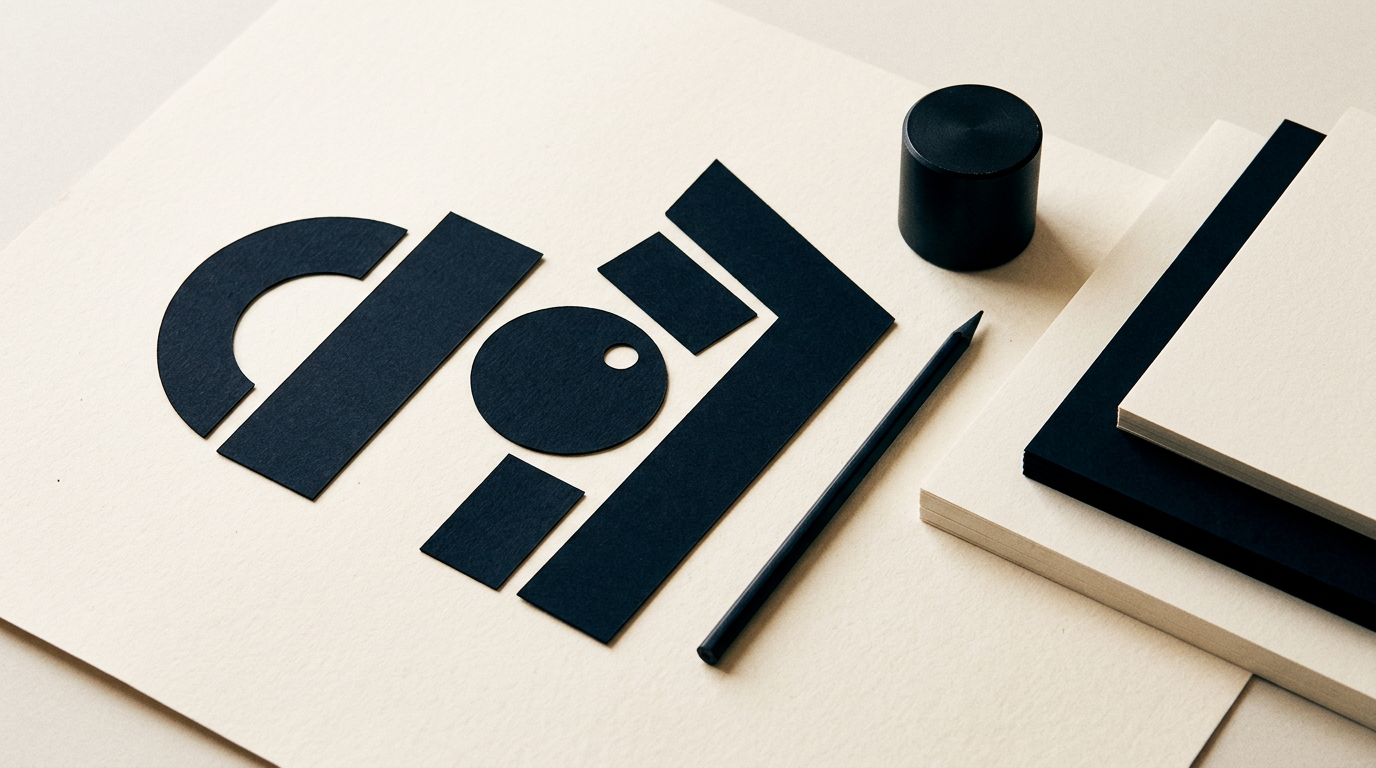
A well-designed menu is not just a price list; it is the primary sales tool in your restaurant. Print material selection, typographic legibility, and strategic item placement can increase the average check value by up to 15–20%. Here are clear, direct answers to the most common questions about creating high-converting printed menus.
How does design psychology help increase the average bill size?
Strategically applied design directs the customer’s eyes toward high-margin dishes, a practice known as menu engineering. The center of the right page and the top right corner are the first areas customers look at, making them ideal for signature or highly profitable dishes.
Proven menu engineering techniques include:
- Removing currency symbols (such as "$" or "EUR") to reduce the psychological pain of spending.
- Placing profitable dishes inside visual callout boxes with subtle borders or background shades.
- Avoiding right-aligned price columns, which encourage customers to scan for the cheapest item.
- Utilizing price anchors—placing a premium high-end dish at the top of a section to make surrounding options look reasonably priced.
What paper or material is most durable for restaurant menus?
Material choice directly depends on foot traffic and restaurant concept, but synthetic waterproof paper and heavy laminated cardstock offer the best durability. For high-turnover bistros and outdoor patios, 250–300 gsm synthetic polypropylene paper (such as Synaps or Yupo) is unbeatable because it is 100% water-, grease-, and tear-proof without needing edge lamination.
For fine dining establishments, 350 gsm premium cardstock with matte or soft-touch lamination mounted on rigid wood or leather covers is preferred. Anti-scratch matte lamination protects surfaces from repeated handling and eliminates glare from ambient lighting.
Why is it important for a printed menu to reflect brand identity?
A printed menu is the most physical touchpoint between your brand and your guests, reinforcing the visual experience created inside the space. If you have invested in a cohesive brand identity and a distinct logo design, your menu must feature the exact same brand colors, typography, and visual style.
A mismatch between the restaurant ambiance and menu print quality creates cognitive dissonance. For example, an upscale venue using stapled paper menus signals carelessness. Choosing paper textures that match your brand identity enhances perceived food quality and justifies higher menu prices.
How often should a printed menu be updated or replaced?
A printed menu should be updated at least twice a year to align with seasonal ingredients and adjust prices against inflation. Dynamic restaurants use modular menu systems—durable rigid covers with replaceable inner sheets—to minimize reprinting costs.
Printing small batches (50–100 copies) on high-quality digital presses allows for frequent updates without heavy financial loss. If you only change 2–3 items seasonally, you can use separate printed inserts on textured paper while keeping the main structure intact. Avoid using sticker labels or handwritten pen corrections over old prices, as this ruins establishment credibility.
How do physical menus combine with QR-based digital menus?
QR codes printed on physical menus or table stands should complement, not replace, physical menus. The physical menu delivers a fast, tactile, and comfortable browsing experience, while a QR code can direct guests to a custom presentation website featuring full allergen tables, nutritional facts, kitchen video clips, or dish reviews.
Furthermore, optimizing your online channels using advanced GEO / AEO / AIO optimization ensures your digital menu and physical location are indexed correctly by AI assistants and local search engines when customers search for nearby dining options. Keep the QR code discreet on the back cover or wooden menu holder.
What are the most common typesetting and layout mistakes in menus?
Cluttering pages with too many options and lacking a clear visual hierarchy are the most frequent mistakes that cause customer decision fatigue. The "paradox of choice" occurs when a single section contains more than 7–8 options, prompting customers to default to basic or low-priced items.
Common errors include:
- Using decorative, unreadable fonts at small sizes or in dim restaurant lighting.
- Poor color contrast between text and background (e.g., dark gray text on brown paper).
- Relying on low-quality stock photos that lower trust in actual dish quality.
- Omitting persuasive item descriptions—dishes with descriptions highlighting ingredients and cooking methods sell up to 27% better.
- Skipping professional graphic design services to properly prepare print-ready files according to press specifications.
How much do professional menu design and printing services cost?
The total cost for professional menu creation ranges between €400 and €1500, depending on page count, graphic concept complexity, and chosen finishing options. Graphic design and menu engineering typically account for 60% of the budget, while physical production depends on volume and materials.
A simple 8-page stapled booklet on laminated cardstock costs around €5 to €10 per unit for a 100-copy run. Conversely, a luxury menu with hardcover casing, metallic screws, selective varnish, and synthetic interior pages can cost €25 to €40 per unit. The investment pays off quickly by raising the average order value.
What special finishing techniques create a premium guest experience?
Special print finishing techniques add a tactile dimension that immediately sets a premium restaurant apart from standard competitors. 3D spot UV varnish applied to headings or brand patterns creates a glossy contrast over matte laminate, inviting touch and visual focus.
Hot foil stamping in matte gold, copper, or silver adds elegance to menu covers or logo details. Blind embossing on hardbound paper or leatherette offers a classic touch. Exposed thread binding (Swiss binding or Singer stitching) provides a distinctive craft aesthetic ideal for bistros and artisanal venues.
What's next?
Ready to turn your restaurant menu into an active sales driver? Explore recent work in my portfolio to see how I help brands elevate their image through high-impact print design.
Get in touch via the contact page to develop a custom graphic concept tailored to your venue and choose the optimal print materials.