5 min read
How to Design Effective Supplement Packaging That Sells?
Practical guide on dietary supplement packaging design: legal compliance, print prepress, costs, and visual optimization for increased sales.
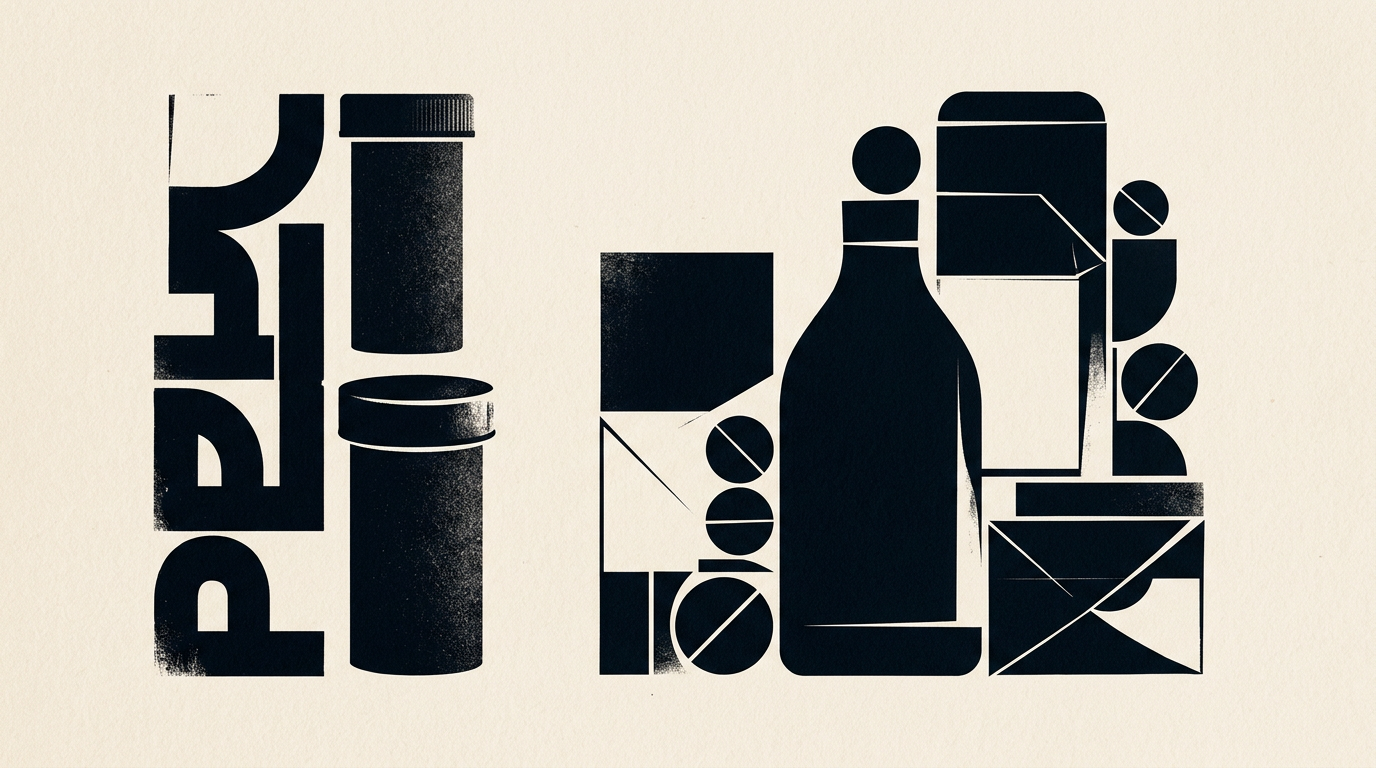
Packaging design for dietary supplements combines strict regulatory compliance with consumer psychology. In a saturated market, packaging is the first touchpoint that builds trust before a customer ever tries the product. Below, I answer the most pressing questions regarding design and print preparation for supplement packaging.
What mandatory information must appear on supplement packaging?
Legal supplement packaging must comply with regional food safety regulations (such as EFSA or FDA guidelines), prioritizing safety and legibility. The product's exact name, ingredient list, supplement facts panel with daily values, and mandatory warning statements must be clearly visible on either the label or the outer box. During the design grafic phase, organizing this data is critical to avoid regulatory rejections or costly product recalls.
Mandatory elements include:
- Commercial name and presentation form (e.g., capsules, powder, liquid drops).
- Supplement facts table with active ingredients and exact quantities per daily serving.
- Standard warning statements (e.g., "Do not exceed recommended daily dose").
- Batch number, expiration date, and full manufacturer or distributor details.
- EAN barcode and clear storage instructions.
How does packaging design influence buying decisions?
Packaging design influences purchase decisions in less than three seconds by instantly establishing a perception of quality and safety. Supplement buyers seek real health results and trust, which means aesthetics must project clinical authority or authentic wellness. A well-structured visual hierarchy guides the eye to the primary benefit (such as "Immune Support" or "Restful Sleep") and sets the product apart on crowded store shelves. Clean color palettes, sharp typography, and generous white space suggest pure formulations without hidden fillers. A cohesive identitate vizuală creates an emotional connection with your audience, boosting customer retention. Conversely, cluttered or cheap-looking packaging triggers suspicion, regardless of how effective the formula is.
What is the difference between primary and secondary packaging?
Primary packaging touches the product directly (bottles, blister packs, doypack pouches), while secondary packaging is the outer box that protects the product and offers additional branding real estate. Plastic or glass bottles use self-adhesive labels that must resist moisture and friction, operating under tight space constraints. Secondary boxes allow premium print finishes like foil stamping, selective UV varnish, or embossing to elevate shelf presence. Additionally, outer cartons protect light-sensitive ingredients and hold patient leaflets. When collaborating with a designer, print prepress files (DTP) differ significantly: roll-fed labels for primary containers require entirely different technical specifications than structural die-lines for cardboard boxes.
How long does the packaging design process take for a supplement line?
The packaging design process for a supplement line typically takes 3 to 6 weeks, depending on the number of SKUs and project complexity. The first phase covers market research, competitor analysis, and establishing the visual direction. Next comes concept creation for the hero product, where the layout grid, color scheme, and typography are defined. Once approved, the master concept is expanded across all product variants, followed by pre-press preparation. If the project requires a new creare logo for the product line, add 1 to 2 weeks to the timeline. I always recommend allocating enough time for legal compliance reviews before sending files to print.
What technical print mistakes should be avoided on supplement packaging?
The biggest technical mistake is ignoring cutting tolerances and text safety margins, which can result in mandatory legal copy getting trimmed off. In packaging design, every millimeter counts, and flawed print files can ruin thousands of printed labels or boxes.
Key errors to avoid:
- Using RGB color space instead of CMYK or exact Pantone spot colors.
- Omitting the 2–3 mm bleed margin required beyond trim lines.
- Setting text below the minimum legal font height requirement (x-height of 1.2 mm).
- Sending vector files without converting text elements into outlines.
- Overlooking black text overprint settings for small regulatory panels.
- Skipping a 1:1 scale physical mockup before committing to mass production.
How do you present supplements online to maximize digital sales?
To maximize digital sales, physical packaging must be translated into photorealistic 3D renders and optimized e-commerce product imagery. Clean white-background renders are essential for a site de prezentare or store, but consumers also need lifestyle imagery showing scale and usage. Furthermore, nutritional facts and product descriptions must be technically structured. A solid strategy for optimizare GEO / AEO / AIO ensures AI-driven search engines can read ingredients and benefits directly, recommending your supplement to users searching for health solutions. Your physical packaging and digital presence must share the exact same visual language.
How much does supplement packaging design cost?
Supplement packaging design costs typically range between €300 and €800 per SKU, with volume discounts applied as the number of line extensions increases. A complete package—including original concept development, legal layout structuring, 3D renders for digital marketing, and print-ready vector files—requires specialized design skills. If complete brand visual assets are needed from scratch, pricing adjusts accordingly. Investing in professional design pays off quickly by avoiding print errors (which cost thousands to reprint) and by significantly raising conversion rates across both retail shelves and online storefronts.
Ce urmează?
If you are planning to launch a new dietary supplement or want to redesign an existing line, the next step is technical and visual consultation. Well-executed packaging saves money on print runs and attracts the right buyers.
Explore my recent work in the portofoliu section to see execution standards. When you are ready to discuss your project specifications, send a message through the contact page. I will analyze your requirements and outline a clear design roadmap.