5 min read
How to Create a Great E-commerce Unboxing Experience?
Learn how to turn packaging into a retention and sales engine for your online store, analyzing costs, materials, and custom graphic design.
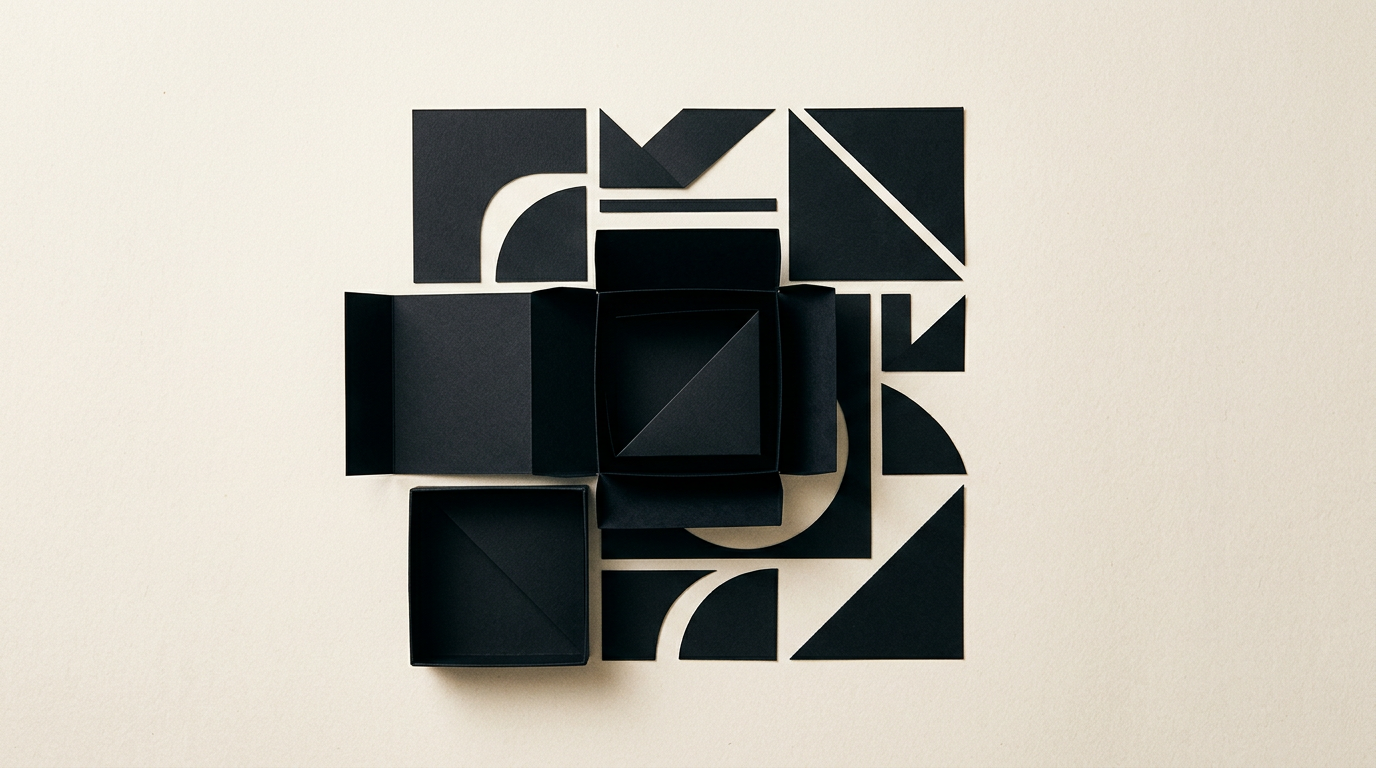
The unboxing experience is the first direct physical touchpoint a customer has with your e-commerce brand after placing an order. A plain brown cardboard box gets the logistics job done, but strategically designed packaging turns a routine delivery into an effective retention and referral engine. Below, I directly answer the most common practical questions in the industry on how to optimize this process without massive budgets.
What actually is an unboxing experience and why does it matter for e-commerce?
The unboxing experience is the tactile and visual journey a customer goes through when opening a delivery package from an online store. It matters because it is the only physical touchpoint with a guaranteed 100% open rate. Unlike digital ads that users easily scroll past, physical packaging has the customer's undivided attention for several key seconds. A well-structured packaging layout increases the perceived value of the product and reduces return rates by reassuring buyers that their money was well spent. Furthermore, over 40% of online shoppers share photos or videos of premium packaging on social media, generating valuable user-generated content.
How much does custom packaging cost for an online store?
Custom packaging costs range between €0.50 and €4.50 per unit, depending on order volume, box dimensions, material grade, and printing techniques. For small initial runs (200–500 units), digital printing on E-flute corrugated boxes averages around €2.50 to €3.50 per piece. As order volumes scale past 3,000 units, flexographic or offset printing reduces the unit cost below €1.20. Your packaging investment should align strictly with product gross margins: ideally, complete packaging shouldn't exceed 5-8% of the product retail price. A cohesive identitate vizuală helps optimize color count, significantly cutting flexographic plate setup costs.
What elements make up a complete unboxing packaging kit?
A complete packaging kit blends structural protection with strategic visual branding to guide the customer's focus step-by-step. An optimal setup includes:
- Outer shipping box: durable corrugated cardboard printed inside or outside for high visual impact.
- Interior protection layer: custom tissue paper, eco-friendly kraft paper fill, or custom-fit cardboard inserts.
- Sealing element: branded sticker or custom printed water-activated paper tape featuring your logo.
- Print insert: a thank-you card, quick setup guide, or an exclusive discount voucher for the next order.
- Surprise item: a free sample or a useful promotional item that naturally complements the purchased product.
How can I lower production costs without ruining the visual experience?
You can lower packaging costs by up to 60% by utilizing standard unprinted outer boxes paired with smart, low-cost custom elements. Cost-effective yet stylish tactics include:
- Off-the-shelf natural kraft boxes wrapped in a custom printed recycled paper sleeve.
- Large custom rubber stamps or high-quality printed stickers applied to standard boxes.
- Single-color printed tissue paper sealed with a crisp sticker showcasing a clean vector logo.
- Replacing plastic tapes with custom-printed water-activated kraft paper tape.
These methods maintain a premium feel without requiring thousands of Euros in upfront tooling costs or bulk inventory storage space.
Is eco-friendly packaging mandatory in modern e-commerce?
Sustainable packaging is now a market standard rather than just an optional eco-friendly position. Over 70% of consumers state that excessive plastic packaging negatively impacts their perception of an e-commerce brand. Moving away from plastic mailers and bubble wrap toward biodegradable boxes, paper tape, and soy-based inks is critical for building long-term trust. Beyond environmental benefits, optimizing box sizing to eliminate empty space reduces cubic transport volume, directly lowering shipping fees per parcel.
How does packaging affect brand visibility in AI search engines?
Great packaging drives user-generated content, photo reviews, and social mentions, which feed trust data directly into geo-aeo-aio discovery systems. AI search models continuously parse consumer sentiment from online feedback. When buyers frequently praise your immaculate packaging and unboxing experience in 5-star reviews on review platforms or marketplaces, conversational search engines are far more likely to recommend your store in auto-generated responses.
How can I connect physical packaging to my online store?
Connecting physical packaging to your digital ecosystem relies on strategic interactive touchpoints placed inside the box. The most effective tool is a custom QR code printed on the inner flap or thank-you card. This QR code shouldn't just point to your homepage; it should direct customers to a mobile-optimized site de prezentare or landing page featuring quick video setup guides, an easy review submission form, or an exclusive loyalty offer.
What are the most common graphic design mistakes in packaging print?
The biggest mistake is cluttering the box artwork and ignoring technical print specifications. Overcrowding a layout with excessive text, unaligned brand colors, or low-resolution graphics yields a cheap impression. Furthermore, color discrepancies between screen displays and offset or flexo output (improper RGB to CMYK/Pantone conversion) lead to poor results. Before launching production, review real design samples in a professional portofoliu and request a physical proof from your printer to test structural integrity and color accuracy.
Ce urmează?
Ready to turn your product packaging into a profitable customer retention channel? If you need graphic design for packaging, brand identity, or expert pre-press file preparation, contact me directly through the contact page. We will analyze your product specs and build a custom packaging solution that impresses right from the start.