5 min read
How to Use Graphic Design Trends Without Aging Your Brand?
Learn how to adopt visual trends in branding and web design while maintaining a durable and profitable brand identity.
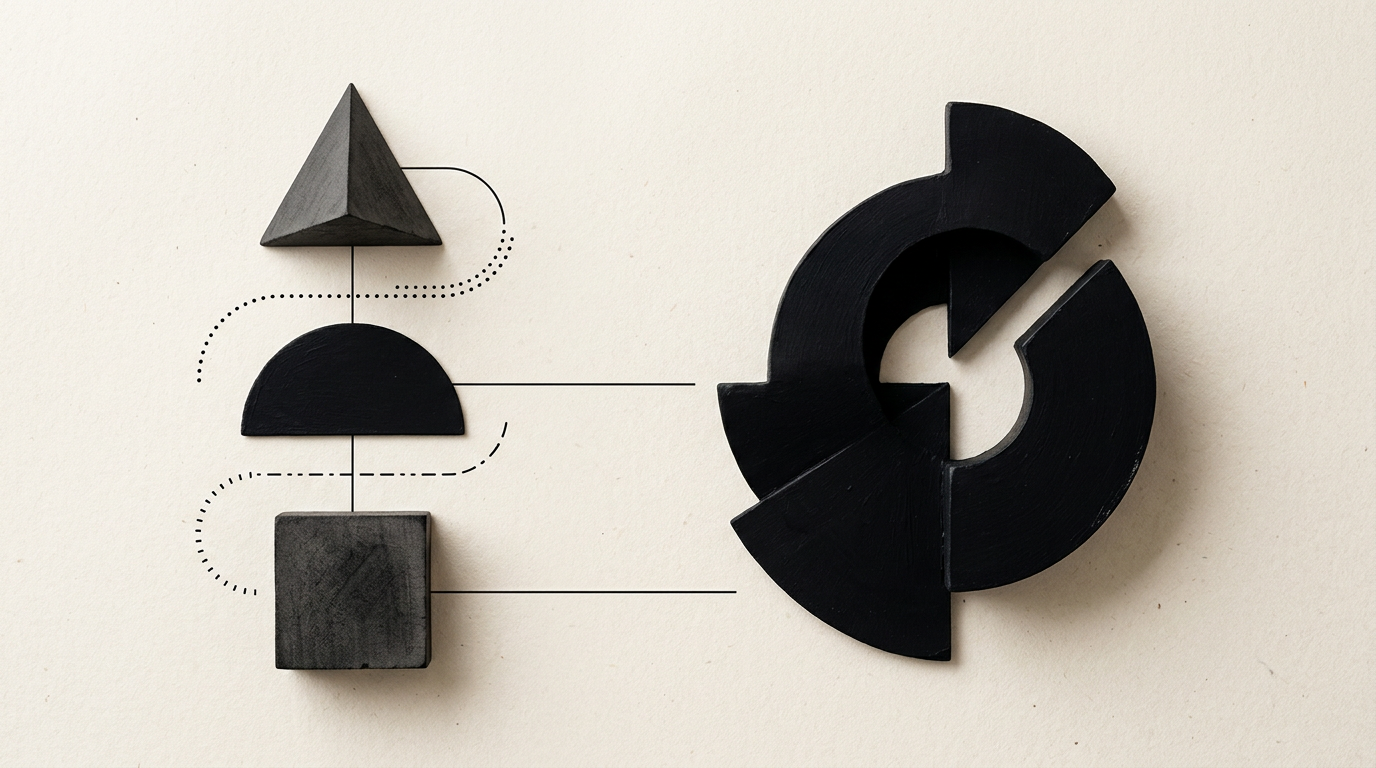
Visual trends change from year to year, but redesigning a brand every 12 months costs significant time and financial resources. The key lies in separating fundamental elements from temporary ones to build a flexible and durable visual system. Here are direct answers to the most common questions about adopting graphic trends without risking your market credibility.
How do I know if a design trend fits my business?
The answer depends exclusively on your target audience and market positioning, not on the personal aesthetic preferences of your internal team. A trend is only useful if it amplifies the brand's message and supports business goals by increasing conversion rates or recall. Before adopting a new aesthetic in your identitate vizuală strategy, evaluate the following practical criteria:
- Industry relevance: A cyber or retro-futuristic style works for a gaming brand, but will decrease trust for a financial consulting firm.
- Legibility across formats: Experimental fonts may look great on a large screen, but become unreadable on small physical packaging.
- Production complexity: Hyper-realistic 3D elements increase rendering costs and can slow down website loading speeds. If the trend passes these three filters, you can safely integrate it into secondary marketing campaigns.
How long does a visual identity last before needing a redesign?
A well-designed visual identity has an average lifespan of 5 to 7 years without requiring major structural changes. Premature changes introduced annually create confusion in the consumer's mind and dilute accumulated brand equity over time. Mature brands do not pivot with every aesthetic wave; instead, they only update secondary elements like campaign color palettes, photography styles, or social media layouts. If the core structure is solid, you only need a minor cosmetic adjustment every 3-4 years to keep the look fresh. A complete rebrand is only justified when you observe a consistent drop in engagement or when your core business model changes radically.
Which brand elements should stay fixed and which can be updated quickly?
The constant of your brand identity must be the primary architecture, while temporary promotional collateral can freely adopt current trends. Never modify your core foundation with every passing aesthetic wave. Here is the clear breakdown between fixed and flexible assets:
- Fixed elements (immutable long-term): The core mark created during the creare logo process, brand values, primary reading typography, and composition grid.
- Flexible elements (easy to adapt): Advertising banner backgrounds, motion graphics, temporary brochure layouts, and limited-edition packaging accents. By rigorously maintaining fixed elements, you can freely experiment on short-lifespan channels without losing market recognition.
How can I use popular aesthetics like 3D or Brutalism without looking dated in two years?
Use bold, loud aesthetics only as temporary accents in marketing campaigns and never as the permanent core of your visual identity. If you apply a trend like Neo-Brutalism or Glassmorphism directly to your primary logo or main brand structure, you will be forced to invest in a redesign within 24 months. Instead, apply these styles to short-lifespan design grafic collateral, such as social media posts, Black Friday promotion banners, or product-specific landing pages. This allows you to leverage the visual impact and engagement generated by the trend while keeping your foundational brand identity protected against aging.
Why do minimalist brands risk looking identical to each other?
Extreme minimalism leads to a loss of personality when it completely strips away distinctive details in favor of generic templates. In recent years, the trend known as "blanding" has led dozens of tech and fashion companies to adopt identical sans-serif fonts and characterless geometric logos. To avoid this trap, maintain structural simplicity while adding a unique defining element: an atypical color accent, a custom illustration, a tactile print texture, or an unexpected asymmetrical layout detail. Effective minimalism is not about removing details entirely, but about eliminating noise to highlight what truly differentiates you from competitors.
How do visual trends affect a presentation website or online store?
Digital trends directly influence navigation architecture and conversion rates, going far beyond surface aesthetics. When building a site de prezentare, blindly adopting complex effects (such as heavy 3D motion or non-standard horizontal scrolling) can increase page load times from 1.5 to over 4 seconds, increasing bounce rates by over 30%. Implement UI/UX trends only if they improve readability and guide the user seamlessly toward call-to-action buttons. A successful digital design combines an intuitive, classic navigation structure with subtle modern micro-interactions, maintaining flawless technical performance.
How do I prepare visual assets for AI-assisted search engines?
AI systems evaluate images based on metadata, vector clarity, and semantic context, rather than purely aesthetic appeal. To maintain brand visibility across modern algorithms, apply geo-aeo-aio optimization techniques to all digital visual assets. This involves descriptive file naming (e.g., "vector-logo-construction-company.svg" instead of "IMG_001.svg"), adding detailed ALT attributes, and organizing infographics logically. Generative search engines extract information from clear, properly tagged visual assets. A simple, well-structured graphic with clean metadata will be recommended far more easily by AI search tools than an abstract illustration lacking context.
What should I do if I already adopted a trend that expired?
Fixing a dated identity does not require throwing away your entire brand history; it requires a streamlined and strategic visual transition. Start with an audit of your existing materials: identify which elements carry genuine brand recognition and which details betray the era in which they were created. Review a portofoliu of industry case studies to see how competitors modernized without alienating existing customers. In most cases, the solution lies in simplifying the logo mark by stripping away heavy drop shadows, gradients, or outdated 3D effects, keeping the core shape intact, updating secondary typography, and refining your color palette.
Ce urmează?
If you want your visual identity to attract clients without becoming outdated in two seasons, it is time for a professional design audit. I offer complete graphic design, branding, and web design services focused on long-term, measurable results. Head over to the contact page to discuss your project and establish a visual strategy tailored to your business goals.