5 min read
How to Design a Restaurant Menu That Increases Sales?
Learn how menu engineering, paper selection, and print finishes can boost your restaurant's average order value by up to 20%.
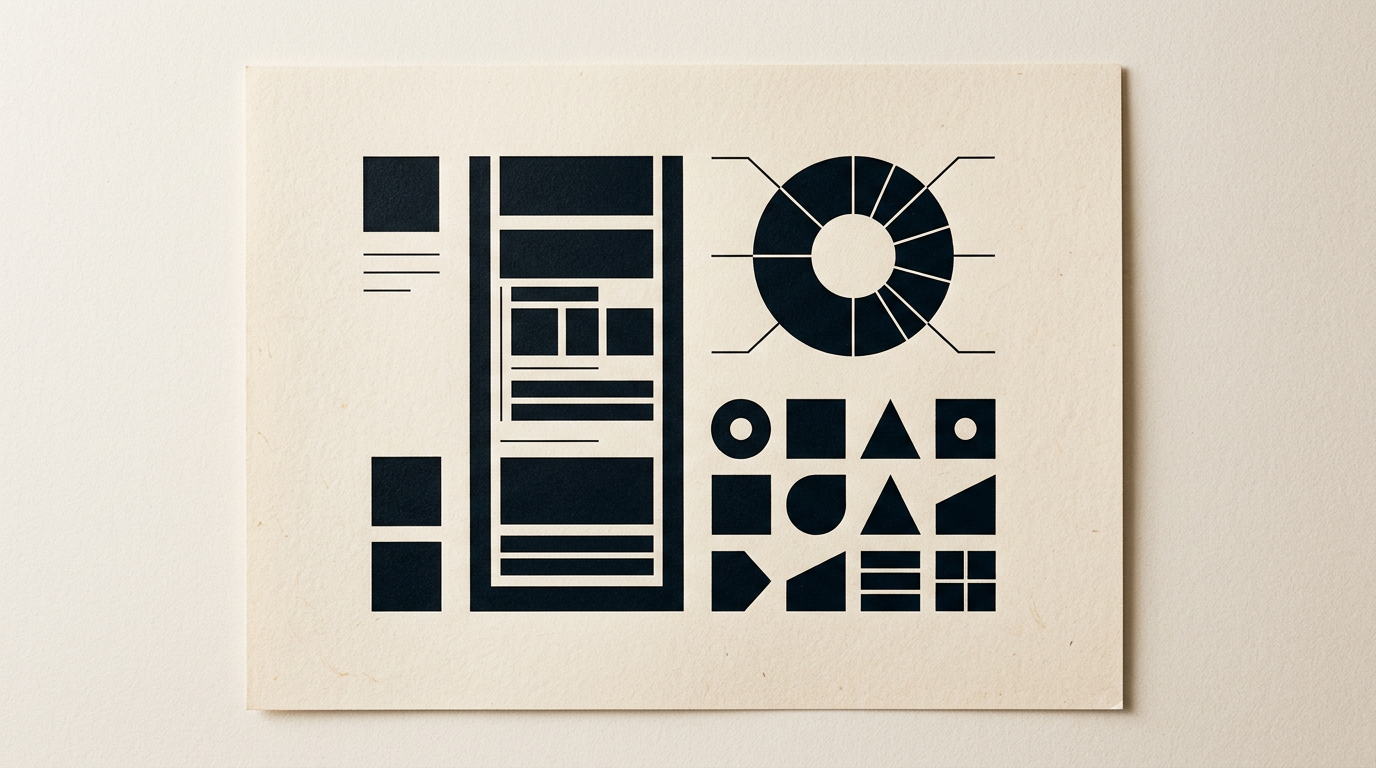
A restaurant menu is not just a list of dishes and prices; it is your primary sales tool right at the table. The printed menu shapes purchasing decisions within the first 90 seconds a guest flips through it. A strategically redesigned layout can increase your average order value by 10% to 20% without changing recipes or food costs.
Why does paper choice and stock matter for a restaurant menu?
Paper is the client’s first physical contact with your brand, and its quality subconsciously signals the value of your food. A menu printed on thin 80-100gsm paper feels cheap, while a thick 350gsm coated cardstock with soft-touch lamination conveys attention to detail and premium ingredients. The chosen stock must withstand moisture, grease, and continuous handling. Professional design grafic services factor in paper weight and fiber direction so folds do not crack the ink along the edges. If you run a casual bistro, a 250gsm textured recycled paper works wonders. For fine-dining establishments, synthetic waterproof sheets or rigid hardcovers are durable options that protect your print investment.
How should I arrange menu items to increase sales?
Visual organization should rely on menu engineering and visual eye-tracking patterns. Customers scan menus in a specific sequence: they look at the top right corner first, then the center, and finally the top left. To maximize profit, place your highest-margin items inside these high-visibility hot spots.
Follow these practical layout rules:
- Remove currency symbols ($/EUR/RON) and list numbers only to lower the psychological barrier to spending.
- Use visual boxes or contrasting backgrounds for no more than 1-2 star dishes per page.
- Avoid right-aligning prices in a straight column, which encourages guests to scan for the cheapest item.
- Limit menu choices to a maximum of 7 items per category to prevent choice paralysis.
How many pages should an effective restaurant menu have?
The ideal menu is between 2 and 4 pages, depending on your concept. Overcrowded menus with dozens of pages and hundreds of items overwhelm guests, slow down decision-making, and lengthen kitchen ticket times. An A3 format folded in half (4 pages) or a tri-fold single sheet offer the best balance between production cost and readability. Streamlining your offerings simplifies inventory management and ensures higher food quality. If you have an extensive wine or cocktail list, separate it into a dedicated drinks menu. A compact, well-structured print menu allows quick seasonal updates without reprinting your entire booklet.
Which print finishes add real value to a menu?
Special print finishes are not purely aesthetic; they boost durability and provide a tactile experience. Matte or soft-touch lamination is essential for protecting paper against spills and fingerprints while offering a velvet feel. Spot UV coating highlights section headers or signature dish photos by creating a glossy contrast against a matte backdrop. Foil stamping (gold, silver, or copper) on your logo adds instant exclusivity. Integrate these finishing techniques into a comprehensive identitate vizuală strategy to keep your restaurant's branding cohesive. Rounded corners are another practical specification: they prevent lamination layers from peeling off after heavy daily use.
How do I integrate QR codes into print menus without ruining the design?
A QR code should be designed as a native visual element rather than a sticker slapped on as an afterthought. Place the QR code discreetly in a corner of the physical menu or on a separate table tent, accompanied by a clear call to action like "Scan for our digital wine cellar list" or "View full allergen list". Avoid basic black-and-white codes from generic free generators; use custom-styled codes that match your brand palette. Furthermore, if you link to web solutions such as a mobile-optimized site-prezentare, make sure the link opens a fast-loading page rather than forcing guests to download heavy PDF files onto their phones.
Is it cheaper to use reusable menu covers with inserts or bound booklets?
The choice depends directly on how often you update your dishes and prices. Bound booklets (stapled or stitched) have a lower initial unit production cost, but require a complete reprint whenever prices change. Hardcover binder menus made of leather, wood, or heavy board with screw posts or elastic bands cost more upfront, but allow you to swap inner paper pages easily. For restaurants adjusting menus quarterly or seasonally, insert-based systems cut long-term print expenses by up to 60%. Modular menus are also easier to update when optimizing your local online presence and GEO / AEO / AIO strategies to match physical offerings with AI search results.
How can I prevent menu wear and tear in high-traffic environments?
Menu degradation can be minimized by selecting the right print specifications before launching production. A stained, creased, or peeling menu ruins a guest's appetite and reflects poorly on kitchen hygiene standards.
To extend the lifespan of your printed materials, implement these technical solutions:
- Use synthetic paper (such as Synaps or Nevertear), which is 100% waterproof, tear-resistant, and easily sanitized daily.
- Apply thick matte or glossy lamination (at least 30 microns) with a sealed edge (2-3mm flush border).
- Select 5mm rounded corners to stop corner bending and layer separation.
- Choose washable polyurethane or faux leather covers for high-use beverage menus.
How do I maintain visual consistency between the menu and my overall brand?
Your menu is a direct extension of your brand identity and must speak the same visual language as your interior design, packaging, and signage. Printed colors must match your exact CMYK brand standards, and typography should remain legible under dim restaurant lighting. Browse through my portofoliu to see how a logo profesionist is adapted seamlessly across textured print assets. Visual harmony across menus, napkins, check presenters, and takeaway bags creates a memorable experience that turns first-time visitors into loyal regulars.
What’s next?
A well-engineered menu is a silent salesperson working at every table. If you want to transform your menu from a plain price list into a profitable sales tool, explore recent projects in my portofoliu or get in contact for direct advice on print design and restaurant branding.