5 min read
How to Design a Restaurant Menu That Increases Sales?
Learn how visual architecture, print materials, and menu psychology directly influence the average check and customer experience.
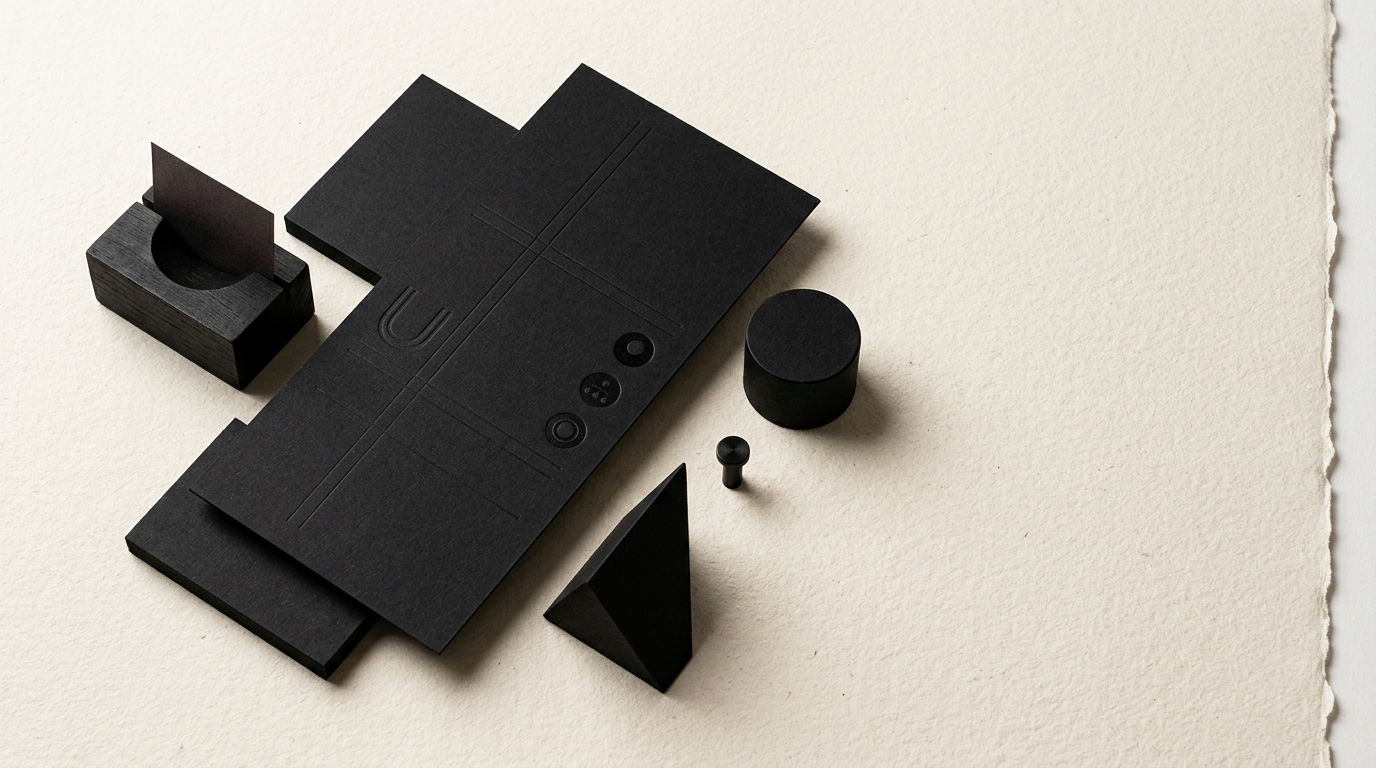
The physical menu is the most critical direct sales tool in a restaurant, influencing customer ordering decisions within the first 10 seconds. A technically and visually optimized design does not merely display a list of dishes; it strategically guides attention toward high-margin items. In this article, you will learn how to turn a simple piece of paper into a profitability engine for your HoReCa business.
Why is a printed menu still important if I already have a QR code menu?
A printed menu provides a tactile experience that a smartphone screen simply cannot replicate during a dining experience. Industry studies show that customers spend 35% more time reviewing a physical menu compared to a digital mobile interface, where attention is constantly disrupted by notifications. QR codes work well as a secondary option or for fast seasonal menus, but the printed menu sets the immediate perception of your venue's quality. When a customer touches high-quality paper with a pleasant texture, their brain automatically connects that feel with the freshness and quality of your food. Furthermore, a well-structured physical menu eliminates the frustration of weak internet connections or small screens, speeding up the ordering process.
What paper or material should I choose for restaurant menus?
Selecting the right material directly depends on your restaurant's profile and how frequently you update dishes or prices. For high-traffic venues where quick cleaning is critical, materials must withstand disinfectants and constant handling. Key technical recommendations include:
- Synthetic paper (polyester) 250-300g: 100% waterproof, grease-proof, and chemical-resistant without needing edge lamination.
- 350g coated cardstock with soft-touch lamination: delivers a premium, velvety feel and excellent physical protection along folds.
- Recycled or textured 270g paper: ideal for artisanal restaurants or bistros, housed inside leather or wooden menu covers.
Choosing the wrong material leads to visible degradation of your menu after just two weeks of daily use.
How does menu architecture affect purchase decisions and average check size?
Strategic placement of items across the layout can increase average check size by 10% to 15% without changing item prices. The human eye scans a two-page spread in a specific sequence, landing first on the top-right area of an open menu. These prime visual spots, known as "sweet spots," should feature your star items with the highest profit margins. Avoid aligning prices in a single vertical column on the right edge connected by dotted lines; this layout encourages customers to scan exclusively for the lowest price. Instead, place the price discreetly two spaces after the item description, using the same font size and omitting currency symbols.
How many dishes should I include per page to avoid overwhelming customers?
The golden rule of menu engineering is limiting options to a maximum of 7 items per main category. When a list exceeds this threshold, choice paralysis sets in, leaving the customer overwhelmed and more likely to pick the cheapest or most familiar option. Reducing the number of choices speeds up decision-making and streamlines kitchen preparation times. Negative (white) space is an essential design element; an overcrowded page gives off a cheap impression. Using clean spacing and distinct visual boxes helps separate chef specials from side dishes or beverages.
How do I integrate my restaurant's visual identity into the menu design?
Your menu design should feel like a natural extension of your brand's identitate vizuală. Colors, typography, and graphic styles used in the menu must align with your interior design, signage, and tableware. For instance, a fine dining restaurant will use subtle serif fonts, a restrained color palette, and generous spacing, whereas a burger joint relies on bold typography, high contrast, and dynamic illustrations. Visual consistency between your logo, menu, and table presentation builds trust and converts a simple meal into a memorable brand experience.
What is the difference between a custom menu by a designer and a free template?
A free template offers a generic text layout without considering your operational flow, cuisine specifics, or technical print preparation. Working with a specialist in design grafic services yields a print-ready file (with bleed, CMYK color space, and 300 DPI native resolution) and a layout tailored to consumer behavior. From how your logo is highlighted to selecting legible fonts for dim restaurant lighting, a designer handles every practical detail. The resulting menu is flawlessly executed and yields a fast return on investment.
Which special finishes hold up best to heavy wear in HoReCa?
For restaurants with high customer turnover, post-press technical finishes guarantee long-term durability. The most effective finishing options I implement in print projects include:
- Anti-scratch matte lamination: prevents fingerprints and protects ink during daily wiping with cleaning fluids.
- Spot UV varnish: adds a glossy, tactile accent to logos, section titles, or key visual elements.
- Screw post or binder ring binding: allows easy replacement of single pages without reprinting the entire menu.
- 5mm corner rounding: prevents peeling and corner damage caused by drops or frequent handling.
These production details extend your menu's lifespan from a few weeks to over 6-12 months.
How can I align my print menu with my restaurant's digital presence?
Consistency between print and digital channels ensures a cohesive brand journey from first online search to paying the bill. Your physical in-house menu should match the layout and visual structure presented on your site de prezentare. Moreover, to attract new guests from local searches and AI assistants, your business benefits from a targeted optimizare GEO / AEO / AIO strategy that correctly indexes dishes and ingredients. You can also include subtle print elements like a small QR code for Google reviews or a clean link to a photo portofoliu.
What's next?
Do you need a restaurant menu that looks flawless, resists heavy wear, and boosts your average order value? Whether launching a new location or refreshing an existing visual identity, I can help you with end-to-end graphic design and technical print preparation. From visual concepts and layout architecture to selecting physical print materials, I ensure every page works hard for your business. Head over to the contact page to discuss your project details and get a customized quote.