6 min read
How to Design Specialty Coffee Packaging That Sells?
Practical guide for coffee roasters: costs, technical requirements, materials, and design principles for specialty coffee packaging.
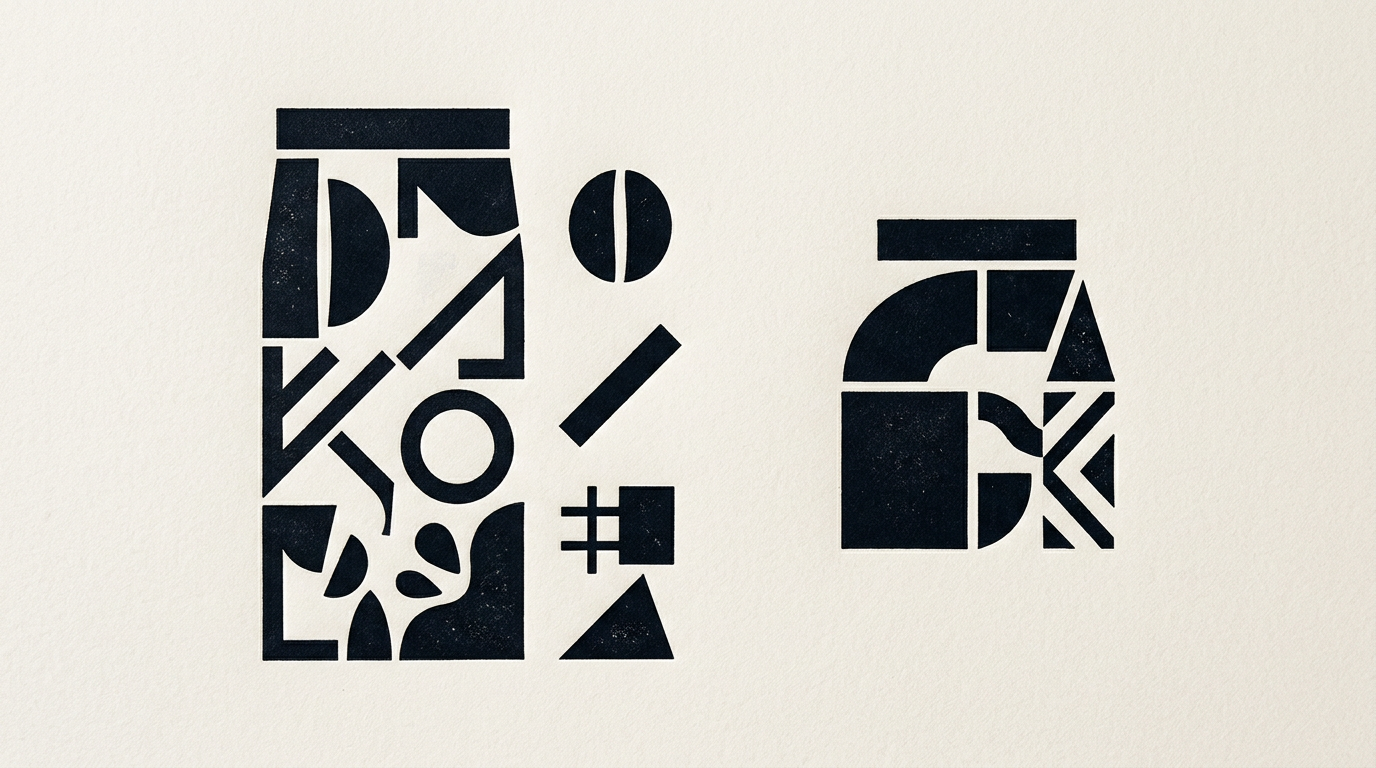
Specialty coffee packaging is not just a protective pouch; it is the primary physical touchpoint between a roastery and its customers. In the craft coffee market, purchasing decisions happen within three seconds on the shelf or screen. As a graphic designer specializing in packaging and branding, I have gathered practical answers to the most common technical and financial questions roastmasters ask.
Why does specialty coffee packaging differ from commercial coffee packaging?
Specialty coffee packaging is built for radical transparency, traceability, and consumer education, whereas commercial coffee relies on generic advertising and mass volume. In the specialty niche, packaging provides precise data regarding origin, altitude, botanical variety, processing method, and tasting notes. Visually, commercial bags use aggressive gloss and loud graphics, while specialty coffee adopts minimalist graphic design or bespoke illustrations reflecting the farmer's story or roaster's vision. Technically, specialty bags must include a one-way degassing valve and a resealable zipper to protect fresh roasted beans from oxygen degradation.
How much does specialty coffee packaging design cost?
Professional packaging design for a specialty coffee line typically costs between €600 and €1,800 for the core concept and adaptation of the first 3 to 5 origins. The final investment depends on illustration complexity, bag type (custom printed vs. generic bags with labels), and DTP prepress requirements. If the project requires preliminary work like a logo design or visual brand guide, the budget increases accordingly. This investment covers market research, 3D realistic mockups, exact print specifications (spot UV, foil stamping, die-lines), and production-ready vector files delivered directly to the printer.
What technical and mandatory information must appear on a coffee bag?
A specialty coffee bag must balance European food labeling legal compliance with technical data demanded by coffee enthusiasts. Missing any of these details reduces brand credibility immediately.
Key mandatory and technical elements include:
- Traceability data: Country of origin, region, farm or cooperative, growing altitude (e.g., 1800m), and variety (e.g., Bourbon, Geisha, Typica).
- Coffee profile: Processing method (washed, natural, anaerobic), roast date (stamped or handwritten), and tasting notes.
- Legal requirements: Net weight (250g, 500g, 1kg), product name ("specialty coffee beans"), roastery business contact info, batch number, and expiration date.
- Brew recommendations: Icons or short text detailing recommended extraction methods (espresso, filter/V60, cold brew).
Which packaging option is more cost-effective: custom printed bags or generic bags with labels?
Generic bags with adhesive paper or polypropylene labels are the most cost-effective solution for startup micro-roasteries, while custom-printed pouches become economically viable at volumes above 5,000–10,000 units per artwork. Self-adhesive labels offer immense flexibility: you can purchase matte black or white pouches in bulk and print short runs for rare microlots inexpensively. However, custom pouches printed directly on recyclable mono-material film provide a highly premium feel and eliminate manual labeling labor. When evaluating client work in my portfolio, I usually advise new roasters to start with generic pouches enhanced by high-end finished labels.
How can I adapt the design for multiple origins without exploding production costs?
The most effective approach is establishing a modular packaging architecture based on a fixed brand template and easily customizable variable zones. This system maintains brand recognition across the line while allowing instant differentiation through color coding or secondary graphics.
Cost-optimization tactics include:
- Regional color coding: Assigning specific accent colors to continents or processing methods (e.g., pink/red for natural, blue/green for washed).
- Main brand label + batch sticker: A large branded label on the front and a smaller variable batch sticker printed in-house with roast dates and lot numbers.
- Custom icon system: Utilizing a coherent vector icon set to indicate roast degree, SCA cupping scores, and flavor profiles.
How long does the packaging design process take from concept to print files?
A complete coffee packaging design project typically takes between 3 and 6 weeks. This timeline includes the briefing and research phase (1 week), developing 2-3 distinct visual concepts (2 weeks), client revisions on the chosen route (1 week), and final DTP prepress preparation (1 week). It is essential to reserve time for physical color proofs with your packaging supplier. Developing a complete visual identity alongside packaging can extend the timeline by 2 to 3 weeks but guarantees total visual cohesion across channels.
Do I need a full visual identity before designing coffee pouches?
Yes, having established core branding fundamentals before jumping into packaging design is strongly recommended. The pouch is a physical extension of your brand; without a solid logo, defined color palette, and clear typography rules, the pouch will feel disconnected from your business. If you lack a brand style guide, the project should begin by defining these core visual assets. A unified brand identity significantly simplifies creating future assets like subscription boxes, merchandise, social graphics, and web banners.
How does coffee packaging impact online sales and digital marketing?
Photogenic packaging directly increases conversion rates in e-commerce stores and encourages customers to share unboxing content on social media. Online buyers cannot smell or taste the coffee, meaning purchasing decisions rely 90% on visual presentation and product specs. When building a business presentation website or webshop for roasteries, I integrate clean 3D renders and hero photos where the packaging stands out. Additionally, adding a QR code on the pouch seamlessly directs buyers to web pages detailing the farmer, brew recipes, or subscription management.
What common mistakes should I avoid when sending packaging files to the printer?
The biggest mistake is ignoring bleed margins and submitting files in RGB color mode instead of CMYK or Pantone spot colors. Furthermore, unoutlined fonts or low-resolution images below 300 DPI lead to blurry print quality. On flexible foil packaging, side gussets and heat seals can obscure text if graphics are not built precisely onto the manufacturer's official die-line. In an ecosystem driven by AI search engines and smart indexing, ensuring barcode scannability and structured product data tied to GEO / AEO / AIO optimization is also vital for modern brand discovery.
What's Next?
Launching or rebranding a specialty coffee line requires balancing visual appeal, technical printing rules, and budget efficiency. Whether you are expanding a roastery or upgrading existing packaging, I can help you create pouches that grab attention on shelves and drive online sales. Explore my recent work or reach out with your project details through the contact page for a custom quote tailored to your goals.