5 min read
Why Do You Need a Multilingual Website and How to Build It?
Learn why a multilingual website can boost your conversion rate by up to 40% and how to correctly handle design, translation, and SEO structure.
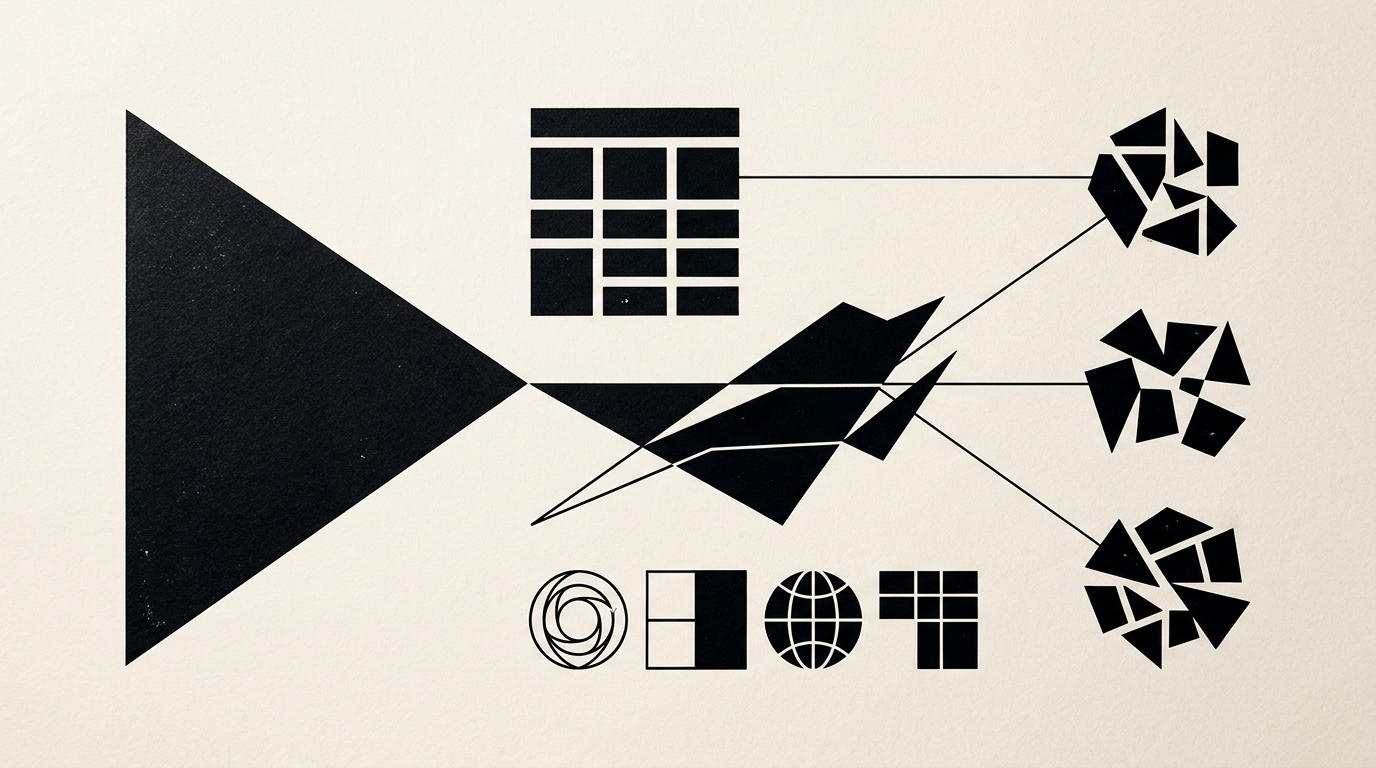
Over 70% of internet users avoid buying from websites that are not available in their native language. For a local business or service provider, limiting yourself to a single language automatically means losing international clients and expat customers. Building a multilingual digital presence is the fastest way to expand your addressable market without multiplying your marketing budget.
When does it make sense to invest in a multilingual website?
Invest in a multilingual website as soon as you receive inquiries from outside your country or when the local market becomes too crowded for your growth goals. If you sell digital services, consulting, or physical products with international shipping, an English version is a minimum requirement to enter the global market. A structured multi-language presentation website inspires instant trust in foreign partners and allows you to charge rates aligned with international standards. Additionally, if you operate in a tourist area or a city with many multinational companies, a secondary language becomes mandatory from day one. Do not wait to lose valuable contracts due to a simple language barrier; prepare your web infrastructure for expansion before launching your sales campaigns.
How much does the conversion rate increase if I add a foreign language?
The conversion rate can increase by 20% to 40% among users who speak the newly added language on your site. Studies by CSA Research show that 60% of consumers rarely or never buy from websites written exclusively in English if it is not their native language. Furthermore, over 75% of customers state that they are much more willing to make a purchasing decision if product or service details are presented in a language they fully understand. In practice, a user who clearly understands terms, technical specifications, and shipping details will complete the order without hesitating or leaving to search for a local competitor. Conversion is not just about price; it is about eliminating the fear of the unknown through clear communication.
Which foreign languages should I choose to start with?
Choose English as your primary secondary language, as it acts as the global business standard, followed by the specific language of your target market where you identify the highest demand. Analyze your Google Analytics data to see which countries your existing visitors come from and check your sales reports. If you want an efficient step-by-step strategy, prioritize as follows:
- English (EN): covers over 1.5 billion speakers and is mandatory for B2B businesses, SaaS, and creative services;
- German (DE) or French (FR): ideal if you target European markets with high purchasing power and e-commerce volume;
- Language of neighboring local markets: perfect for online stores looking to expand regional logistics.
Stick to two languages initially and optimize the user experience before adding additional versions.
How does a multilingual website affect ranking in Google and AI search engines?
A multilingual website multiplies your indexable pages and allows you to rank for specific keywords in each country. Google uses hreflang tags to display the correct page version based on the user's location and language, avoiding duplicate content penalties. Moreover, new generative search engines and virtual assistants prioritize sources that provide exact answers in the user's native language. By applying GEO / AEO / AIO optimization for AI visibility, your website can be recommended directly by algorithms like ChatGPT or Perplexity when foreign users search for providers in your region. This approach gives you an organic advantage that single-language competitors cannot match.
Is automatic translation with Google Translate or ChatGPT enough?
No, raw automatic translation generates context errors, grammatical mistakes, and a rigid tone, drastically reducing brand credibility. While artificial intelligence tools are useful for a first draft, they do not understand cultural nuances, idiomatic expressions, or the local client's buying intent. A poor translation gives the impression of an amateur business and can lead to contractual misunderstandings or issues regarding warranties and returns. It is essential for a native copywriter or professional translator to adapt the message to market specifics. For projects where image is critical, graphic design services must be paired with polished copy that conveys professionalism and trust from the first second.
What graphic design and UI adjustments are needed for a multilingual website?
A multilingual website requires a flexible layout, as word lengths differ considerably between languages. For example, text translated from English to German or Romanian can become 20% to 35% longer, which can break the alignment of buttons, menus, and text boxes. During the web design and visual identity stage, sufficient white space and dynamic container sizes must be planned. Furthermore, selected fonts must support the complete set of special characters and diacritics. Graphic design planned from the start for multiple languages prevents display issues on mobile devices and maintains a clean look regardless of the option selected by the user.
How do I manage URL structure and the language switcher without ruining user experience?
The best technical practice is using dedicated subdirectories (such as site.com/en/ or site.com/de/) combined with an intuitive language switcher. Avoid forced automatic redirection based on the user's IP, as this can annoy visitors using VPNs or traveling abroad. For seamless navigation, follow these practical rules:
- Visible placement: place the language selector in the top right corner of the main menu or in the footer;
- Clear labels: use the language name in its native form (e.g., "Deutsch" instead of "German", "English" instead of "Inglez");
- Appropriate symbols: avoid national flags to represent languages (for example, English is spoken in the US, UK, and Canada, not just one country).
A clean structure also helps with simple file organization in the admin panel.
How long does it take and what does developing a secondary language version involve?
Implementing a secondary language on an existing website usually takes between 1 and 3 weeks, depending on the number of pages and content complexity. The process involves duplicating structure, translating and adapting content, configuring language modules, setting SEO tags, and testing on mobile devices. If you are starting a project from scratch, it is recommended to define the multilingual architecture during the initial wireframing phase. This reduces development costs by up to 50% compared to retrofitting an already finished site. Check my portfolio for examples of multilingual-optimized websites to understand what a clean, modern layout looks like.
What's next?
If you want to expand your business into international markets and need a visually and technically flawless multilingual website, the first step is analyzing your current site structure. Together, we can define the right architecture, user flows, and branding elements—from a memorable logo creation process to high-converting web pages. Explore previous projects in the portfolio section or visit the contact page to discuss your project details. A global-ready online presence will bring you higher-qualified clients and solid growth opportunities.