5 min read
Artisanal Product Labels: Complete FAQ & Design Guide
Learn how to create professional labels for artisanal products: from materials and legal requirements to design costs and print mistakes to avoid.
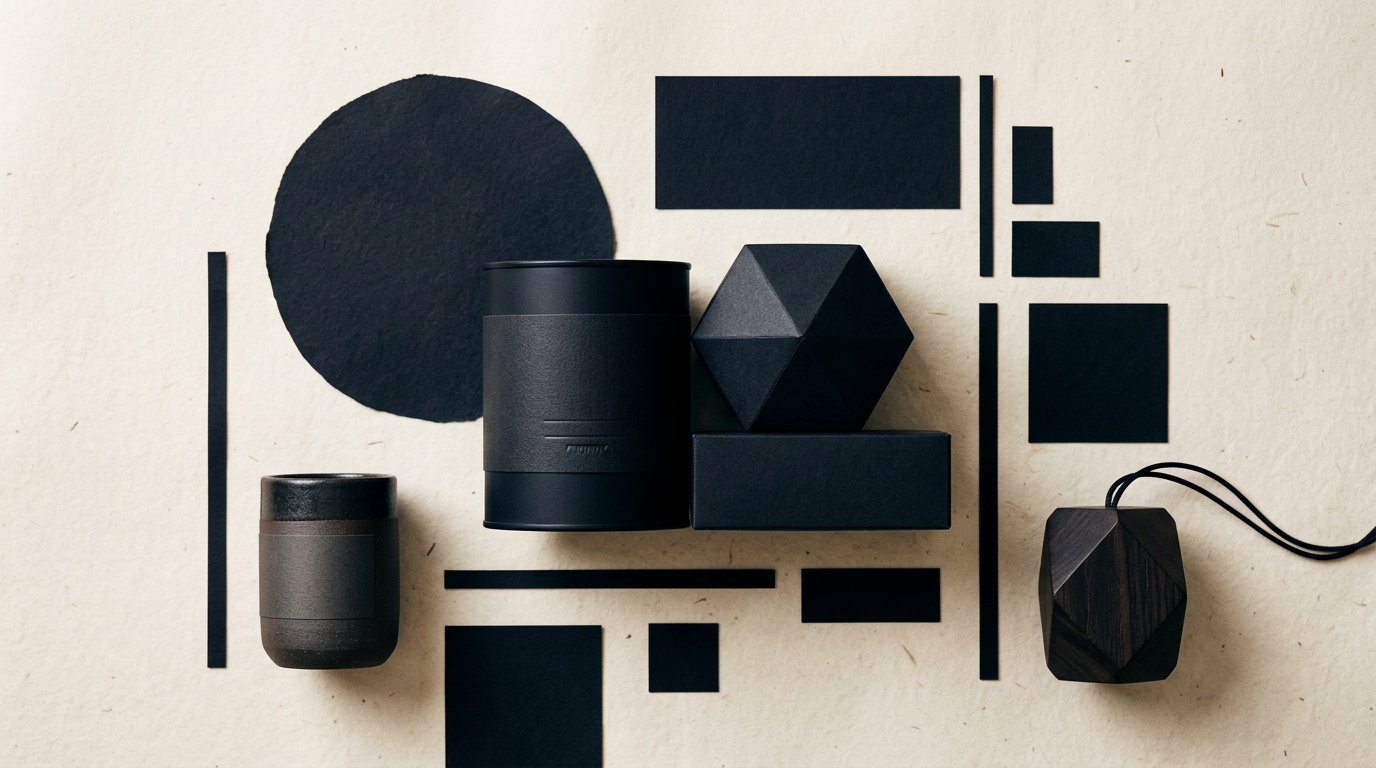
Packaging and labels are the very first touchpoints a customer has with your artisanal product, whether on a retail shelf or online. In this article, I’ve gathered the most common questions from local producers of honey, cosmetics, candles, and craft beverages, providing direct answers about design, materials, regulations, and print preparation.
What mandatory information must be on an artisanal product label?
Legal product designation, full composition, net quantity, producer identification details, and batch number are mandatory on any label by law. Depending on the category (food, cosmetics, or non-food), legal requirements vary significantly, and omitting them can lead to heavy fines or product recall. To comply with current standards, a well-structured label must include:
- Commercial name and legal product title
- Full list of ingredients or materials (clearly highlighting allergens)
- Net quantity (e.g., 250g, 50ml) and best-before or expiration date
- Company details (Name, registration code, address) and storage/usage instructions
Organizing all these text blocks without visually cluttering the packaging is a challenge solved by professional design grafic, where typographic hierarchy protects legibility.
What material should I choose for my artisanal product labels?
Material selection depends directly on the environment where your product will be stored and used. For honey, jam, or dry goods, a fine textured paper or Kraft stock delivers that premium, tactile feel expected from handcrafted items. Conversely, for handmade cosmetics (liquid soaps, body oils) or refrigerated beverages, waterproof polypropylene (PP) or vinyl with a matte or glossy lamination is mandatory.
Lamination shields the ink from moisture, oils, and friction. Choosing the wrong material leads to peeling or smudging during first use, ruining the perceived quality of your product. Always consult with your print shop before finalizing the file to choose the right adhesive: permanent, removable, or freezer-grade.
How much does custom label design cost and what does it include?
The cost for custom artisanal label design ranges between €150 and €500 per SKU, depending on illustration complexity and line variations. A professional project goes far beyond placing text over a stock image found online; it is a full preparation process for the market.
The service includes market research, visual concept development, vector print file prep (bleeds, DTP, CMYK color profiles), and 3D realistic mockups for validation. When launching an entire product range, the cost per additional variant drops. Investing in a cohesive identitate vizuală before jumping into packaging is essential, as an isolated label detached from the overall brand creates shelf confusion and reduces conversion rates.
How can I visually differentiate my handmade product from mass-market brands?
Differentiation is achieved through tactile details, original illustrations, and an authentic visual narrative. Mass-market products rely on generic templates, harsh colors, and cheap glossy plastic. For handcrafted goods, focus on organic color palettes, expressive typography, special finishes (gold or copper foil, embossing), and custom illustrations.
Label shape also plays a vital role: a custom die-cut label immediately commands attention on the shelf. Avoid imitating supermarket giants. Buyers of artisanal goods seek transparency, simplicity, and character. Minimalist packaging on textured recycled paper with flawless typography conveys far more value than a cluttered design.
What common mistakes should I avoid when printing labels?
Most printing mistakes stem from technical file errors or skipping physical proofing before full production. A label that looks sharp on a bright smartphone screen might turn out completely unreadable when printed at a real size of 4x6 cm. Avoid these critical errors:
- Using low-resolution images (under 300 DPI) or leaving files in RGB color mode
- Omitting bleed areas (at least 2-3 mm) and placing text too close to die-cut edges
- Setting ingredient font sizes below 5-6 points, making them unreadable to the naked eye
- Incorrect barcode setup (must be vector format, 100% K black, on a clean white background)
Always request a physical press proof before committing to a run of 1,000 or 5,000 units.
Is a great label design enough, or do I also need a professional logo?
A label is a physical carrier, but a logo is the visual anchor that builds long-term brand recognition. A stunning label featuring generic typography or an amateur mark loses its authority instantly.
A custom creare logo process tailored for packaging ensures your mark stays clear whether scaled down to 3 cm on a small jar or blown up on a web banner. The logo establishes color rules, graphic style, and visual tone. Without a strong logo, your label risks becoming a basic information sticker rather than building equity for your craft business.
How do I prepare files for the printer if I work with a designer?
When working with an experienced designer, they handle the generation of print-ready PDF/X files according to your print supplier’s exact specs. As the client, your role is providing accurate container dimensions (measured on the flat surface of the bottle or jar), proofread text, barcode data, and finish preferences.
In my portofoliu section, you can see packaging examples where container geometry and label artwork align precisely. An experienced packaging designer will communicate directly with your printer to confirm raster settings, color profiles, and die-lines.
How does label design help if I sell my products primarily online?
In e-commerce, the label is the hero element of your product photos and directly drives click-through and conversion rates. Online shoppers cannot smell your candle or taste your jam, so purchasing decisions are 100% visual.
A label with high contrast, legible typography, and photogenic finishes looks exceptional in studio shots and social feeds. If you already have a custom site-prezentare or e-commerce shop, your packaging serves as your tangible ambassador at delivery. The unboxing moment validates the customer's purchase and triggers word-of-mouth recommendations.
What's next?
Launching or redesigning an artisanal product line requires a careful balance between aesthetics, technical print constraints, and brand strategy. If you need support with visual concepts, production file preparation, or building packaging from scratch, send me a message via the contact page. We will discuss your specific products, container dimensions, and printing options suited to your budget so your products stand out both on the shelf and on screen.