5 min read
Do Business Cards Still Work in 2026? Practical FAQ
Business cards in 2026 are no longer just pieces of paper with contact details; they act as physical anchors connecting to your digital ecosystem.
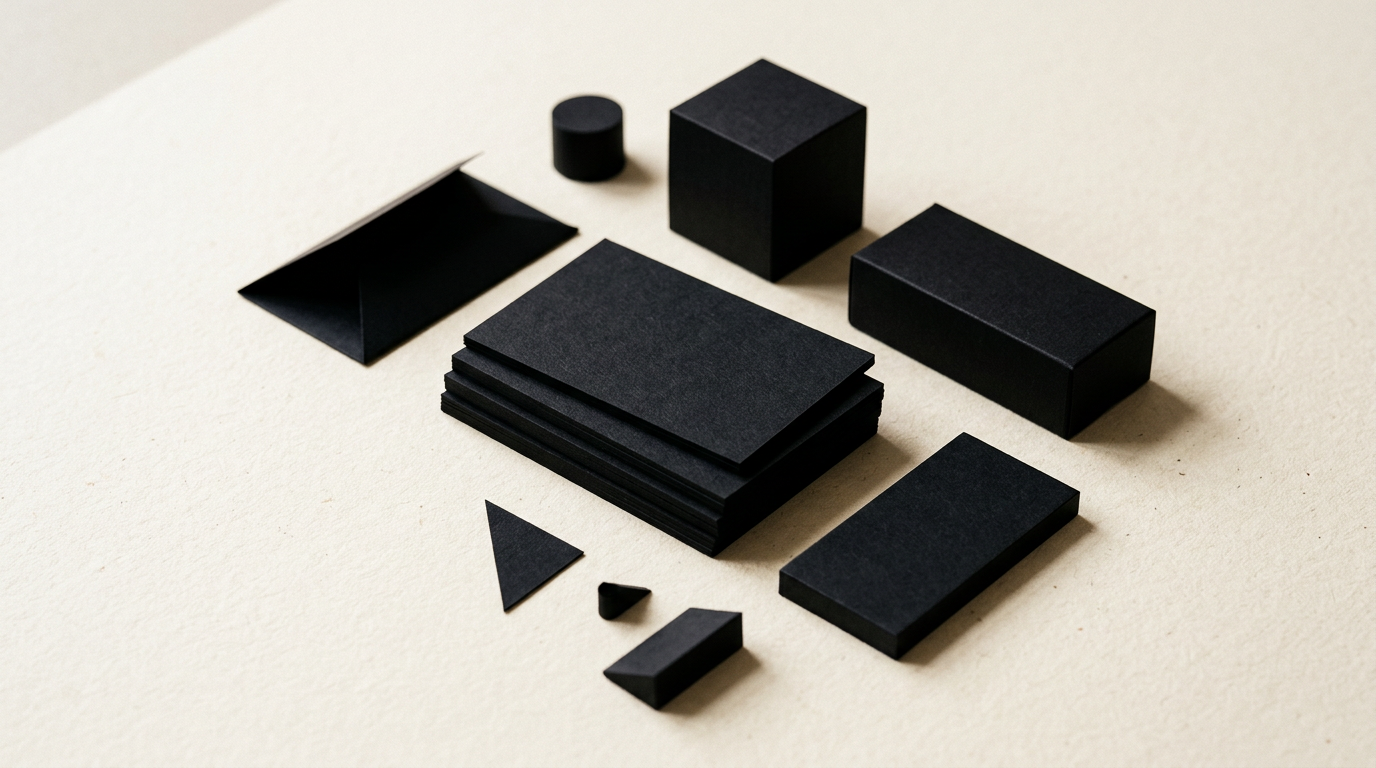
A well-designed business card remains the fastest networking tool during an in-person meeting or industry event. In 2026, its role has shifted dramatically: it no longer stores all your contact details, but acts as a direct, memorable gateway to your digital presence. Executed properly, it conveys professionalism and attention to detail within the first three seconds of an interaction.
Are printed business cards still useful in 2026?
Yes, business cards are extremely useful in 2026, provided they function as a bridge between tactile interaction and your online ecosystem. Business partners still value the physical feel of premium paper, but nobody manually types email addresses or phone numbers anymore. The primary role of modern print is to build instant trust and direct the contact toward a well-structured site de prezentare. Furthermore, a card left on a desk after a meeting serves as a lasting physical reminder that a phone notification or LinkedIn invite simply cannot replicate. The difference today is that we no longer print thousands of cheap cards, but rather small, high-end runs dedicated strictly to high-value leads and key decision-makers.
What paper sizes and weights should I use?
The standard European format of 85 x 55 mm remains the most practical for wallets, while the minimum recommended weight in 2026 is 400 gsm. Any paper under 350 gsm feels flimsy, bends easily, and signals a lack of care for your brand image. For a lasting impression of quality, I recommend multi-layer duplexed cards or dense eco-friendly stocks. Here are the technical options that work best today:
- 400 gsm coated paper with a soft-touch lamination for a smooth velvet feel and durability.
- 100% cotton stock at 500–600 gsm, ideal for traditional tactile techniques like letterpress or deep foil stamping.
- Duplexed or triplexed (sandwich) board at 600–800 gsm, featuring a colored core matching your primary brand shade.
My custom design grafic services focus on pairing the tactile feel of the paper stock directly with the message you want to leave behind.
What exact information should I include on a modern card?
The golden rule in 2026 is functional minimalism: include only your name, job title, direct phone number, email address, and a single digital access point. Avoid cluttering the layout with full office addresses, IBAN numbers, long service lists, or secondary social media handles. Your brand name and a clean creare logo output should dominate the front side, while the back can be reserved for a clean QR code or subtle graphic mark. Removing visual clutter directs the viewer's eyes straight to what matters most. Generous white space enhances readability and conveys financial stability, proving your business does not need to shout to be taken seriously.
How do I integrate a QR code or NFC chip without ruining the design?
Technology integration must feel native to the graphic composition rather than slapped on as an afterthought. QR codes no longer need to be harsh black squares on bright white backgrounds; they can be vectorized using your brand color palette and scaled down to 15x15 mm while maintaining full scannability. Another advanced option is embedding an invisible NFC chip between the paper layers of a triplexed card, allowing seamless vCard transfer directly to a smartphone upon tap. When crafting a cohesive identitate vizuală, I ensure these tech elements enhance the card's aesthetics rather than overcrowd it.
Which special finishes justify the cost and what should be avoided?
Special tactile finishes justify their expense only when they add a sensory dimension that a phone screen cannot replicate. In 2026, the trend leans toward subtle refinement and flawless execution over flashy gimmicks. Here is a clear breakdown of what works and what to avoid:
- Recommended: 3D spot UV varnish on fine lines, micro-embossed matte foil (copper, bronze, or subtle gold), and deep debossing on uncoated paper.
- Avoid: Cheap high-gloss lamination, large areas of reflective foil, and unevenly die-cut rounded corners.
Selecting the right finish depends entirely on how light interacts with the print surface and the specific stock chosen for production.
How much does premium business card design and printing cost?
A complete project covering custom graphic design and print production prep ranges between €150 and €300, while physical printing for 100–200 units costs between €80 and €250. The print price varies significantly based on paper choice (cotton stock, multi-layer sandwiching) and finishing details (foil, painted edges). While cheap €10 online templates exist, generic layouts erase brand differentiation. Investing in tailored design ensures the final result matches the quality standards seen across my portofoliu and guarantees error-free print files.
How do I connect my business card with the rest of my brand identity?
Your business card must act as a micro-extension of your brand’s larger visual ecosystem, accurately reflecting your typography, color palette, and tone. Using a hyper-minimalist print card when your website or packaging is vibrant and complex creates disconnect. The print typography should match or complement your primary digital typefaces. If you want to ensure your physical collateral aligns seamlessly with your online presence, feel free to reach out via my contact page for a detailed review of your brand assets.
How do modern AI search engine tools impact my brand’s visibility?
AI-powered search engines pull context from every digital touchpoint you own, including the landing pages linked from your printed business cards. When a client scans your QR code and visits your site, AI search algorithms analyze the structure and clarity of that content to determine your market authority. Applying modern optimizare GEO / AEO / AIO tactics ensures virtual assistants like ChatGPT, Gemini, or Perplexity correctly categorize your expertise and recommend your services when users search for industry professionals.
What's next?
If you want to transform a simple handshake into a real business opportunity, it is time to upgrade your print materials to modern standards. Get in touch with me through the contact page to discuss your project ideas, or browse through recent work in my portofoliu section. Together, we can create a business card that represents your brand with confidence during every meeting.