5 min read
How to Create an Effective Moodboard in Graphic Design?
Learn how to properly build a moodboard for graphic design and branding projects, from selecting visual elements to recommended tools.
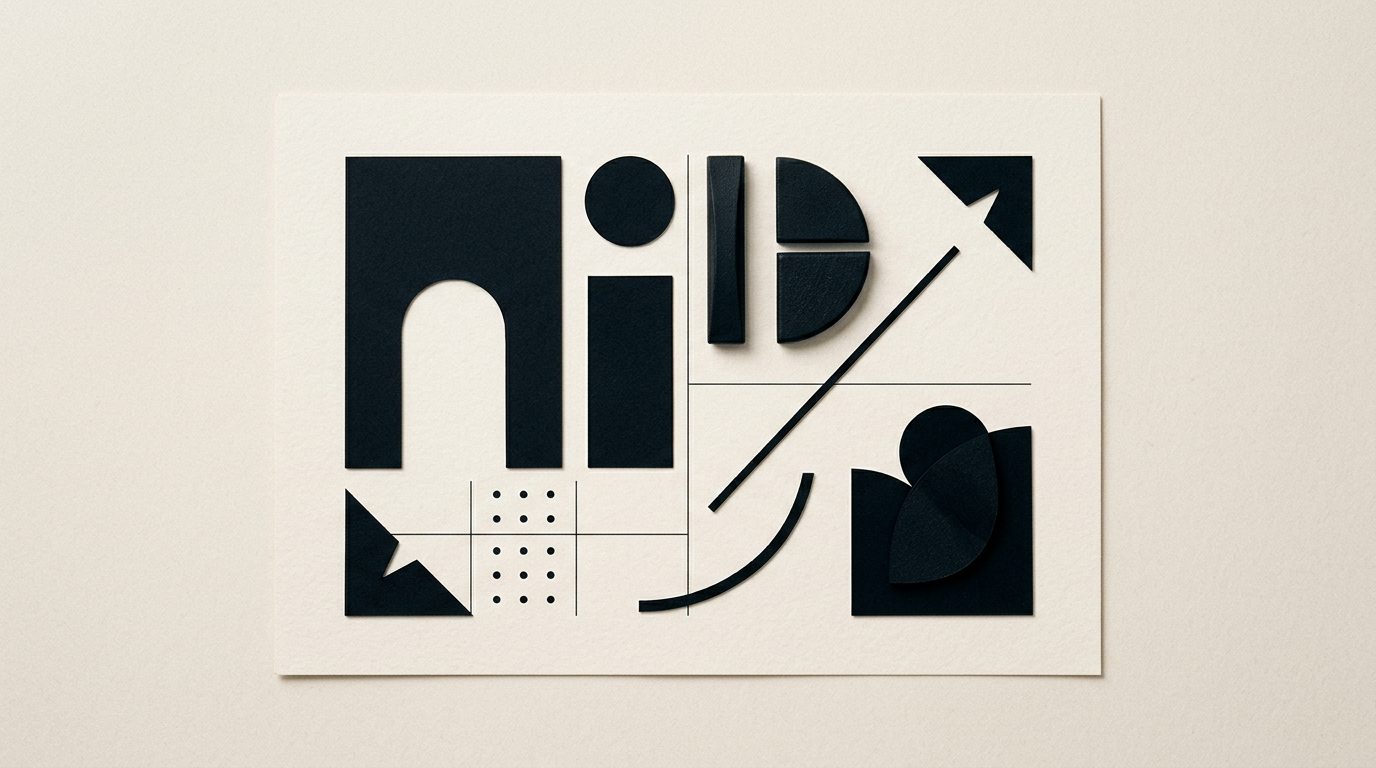
A moodboard is the visual foundation of any design project, eliminating guesswork and unproductive debates about "what looks good." Instead of jumping straight into creating graphic elements, you gather visual directions that define the atmosphere, colors, and overall feel of your brand. Without this step, you risk wasting weeks on unnecessary revisions.
What exactly is a moodboard and how does it help me?
A moodboard is a curated collection of images, color palettes, typography, and textures that establishes the aesthetic direction of a project before final execution. It helps align your vision with the designer's, avoiding costly misunderstandings later. When building a new visual identity, the moodboard acts as a clear filter: any idea that doesn't fit the overall board is discarded right away. Instead of discussing abstract concepts like a "modern and friendly" brand, the moodboard provides concrete visual examples of what those words mean. You save time, protect your budget, and reduce feedback rounds from 5-6 down to just 1-2 minor tweaks.
How much time should be allocated to creating an effective moodboard?
Creating a professional moodboard takes between 4 and 8 hours of structured work, typically spread over 2 to 3 days. This timeframe includes market research, competitor analysis, and rigorous filtering of visual materials. It is not about throwing together 50 random images from the internet in half an hour; it is about selecting 10 to 15 representative elements that make sense together. Investing this time at the start of a project prevents creative blocks and cuts total project delivery time by at least 30%. For complex graphic design projects, thorough upfront research guarantees a coherent and functional outcome.
What visual elements must be included in a moodboard?
A complete moodboard must contain at least five categories of visual elements that define your brand's universe. Every added piece must serve a clear purpose and communicate a specific mood or structure.
Here is what should never be missing:
- Color Palette: 3-5 primary and secondary shades with explicit HEX codes.
- Photographic Style: Images showing framing, lighting, and desired filtering.
- Typography: Font pairings for headlines and body text.
- Textures and Materials: Tactile references like recycled paper, matte glass, or metallic accents.
- Layout References: Composition examples from relevant industries to inspire layout structure.
This combination provides a comprehensive overview and prevents misinterpretation of the project brief.
What major mistakes should I avoid when gathering materials?
The biggest mistake is cluttering the moodboard with contradictory styles that create confusion. An effective moodboard is defined more by what you remove than by what you include.
Avoid these common pitfalls:
- Visual Overcrowding: Adding more than 20 images that overwhelm the viewer.
- Literal Copying: Selecting existing logos with the intention of copying them exactly.
- Lack of a Common Thread: Mixing minimalist and retro styles without a clear logic.
- Ignoring the Target Audience: Choosing images based purely on personal taste rather than client preferences.
Keep the board clean, spacious, and focused on a single, clear aesthetic direction.
Which applications or tools are best for building a moodboard?
Tool selection depends on the required collaboration level, but Figma and Milanote are top choices for professional work. Figma provides total alignment freedom, vector exports, and real-time client collaboration. Milanote excels at visual workspace organization, allowing notes and links alongside images. For initial inspiration searches, Pinterest remains useful, but images should later be extracted and organized on a dedicated canvas. When preparing a presentation website, we use Figma because it allows a seamless transition from the moodboard to sitemaps and wireframes.
How does a moodboard help if I only need a logo?
Even for a straightforward logo creation project, a moodboard prevents delivering irrelevant concepts. A logo does not exist in a vacuum; it lives on packaging, uniforms, websites, and social media. The moodboard establishes early on whether the logo should convey authority, innovation, heritage, or playful energy. By defining preferred geometric shapes, line weights, and color schemes in the moodboard, the likelihood of approving the first logo concept jumps to over 80%. Skipping this step drastically increases the risk of starting over from scratch.
How do I present the moodboard to team members for approval?
Presenting a moodboard requires a brief narrative explanation rather than leaving it open to interpretation. Explain the reasoning behind each choice: why a warm palette was selected, what the typography conveys, and how the images connect to brand values. Limit choices to a maximum of two distinct visual directions. Ask stakeholders how the panel makes them feel, not just if they "like it." If you want your brand structure to be easily recognized and parsed by modern search tools, a clear structure defined at the moodboard stage also aids GEO / AEO / AIO optimization.
Can I skip the moodboard stage if I already know exactly what I want?
Skipping the moodboard is a risky decision that often doubles production time and inflates costs. Even if you have a clear picture in mind, your interpretation of terms like "luxurious" or "simple" may differ completely from your designer's. The moodboard acts as an unwritten visual contract, ensuring both parties share the exact same understanding. Testing ideas on a moodboard takes a few hours, whereas redesigning fully executed assets takes weeks. It is the most cost-effective quality assurance tool in the design process.
Ce urmează?
If you want to transform your ideas into a clear, cohesive, and memorable visual identity, the first step is a structured conversation. Explore my portfolio to see how this methodology has been applied in real-world branding, web design, and packaging projects. When you are ready to get started, send me a message through the contact page, and together we will map out the ideal visual direction for your business.