5 min read
Cosmetic Packaging: What Unwritten Rules Should You Know?
A practical guide to the unwritten rules of cosmetic packaging, covering color management, print prepress, luxury finishes, and digital optimization.
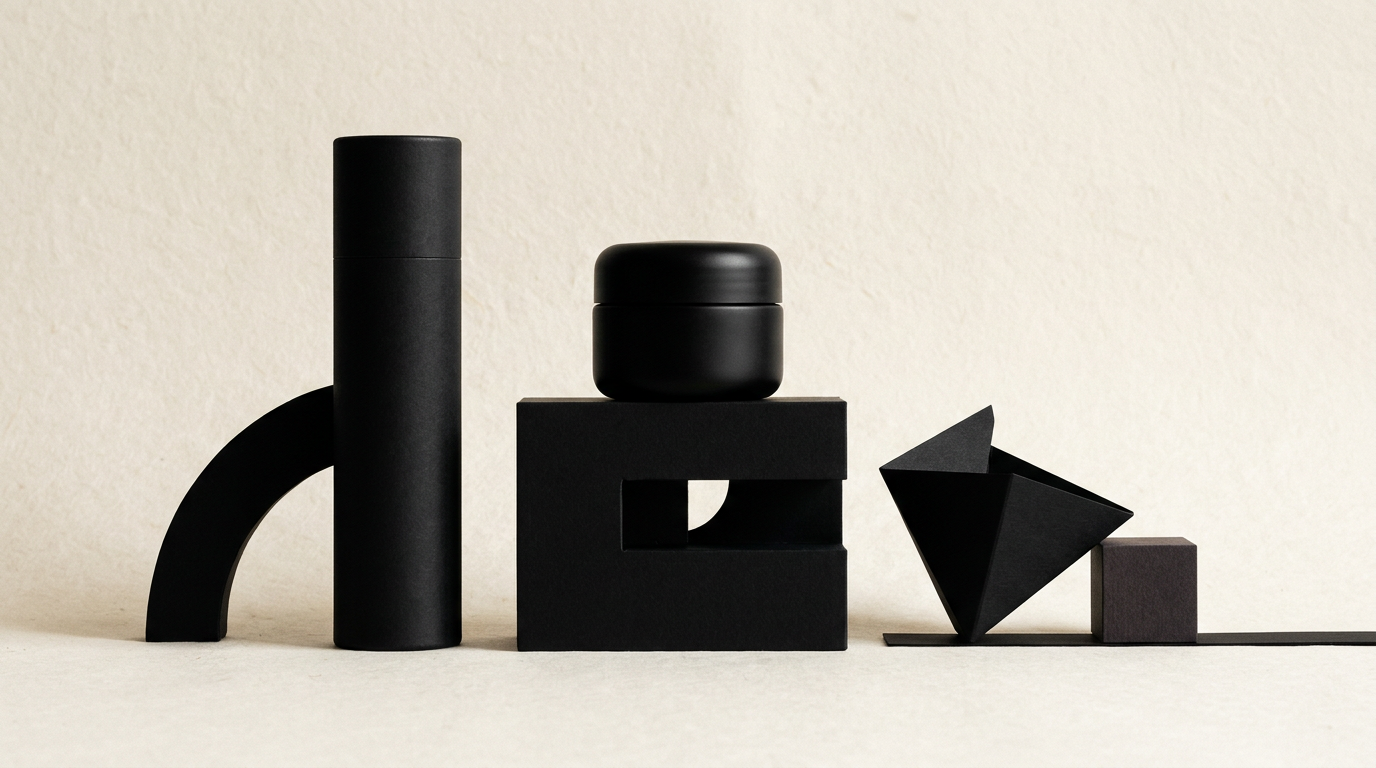
Cosmetic packaging operates under strict regulations, but the most critical buying decisions happen through unwritten rules. A flawlessly finished box communicates product quality long before the customer opens the jar. In this article, I explain what you need to know to avoid costly production errors and build impactful packaging both on store shelves and online.
Why do printed packaging colors look different from what I see on screen?
The difference occurs because screens use RGB color space (light), while printing relies on CMYK or Pantone spot colors (pigment). For a luxury cosmetic package, a 5% shift in a nude or pastel shade can turn an elegant product into a cheap-looking one. During the graphic design process, prepress file preparation includes manual color channel conversions and specifying exact Pantone codes. Paperboards absorb ink differently: coated paperboard provides 95% saturation, while uncoated paperboard absorbs ink and darkens shades by up to 20%. The technical solution is creating a physical press proof directly on the final stock. Without this verification step, you risk printing thousands of boxes in the wrong tone.
What mandatory elements belong on cosmetic packaging without cluttering the layout?
European regulations mandate displaying INCI ingredients, PAO symbols, net quantity, manufacturer details, and batch numbers. The unwritten rule is separating packaging into primary and secondary readability panels. The front panel must remain clean, featuring only the brand name, product function, and volume. All mandatory legal text goes on the back or side panels, organized in structured columns. A well-built visual identity uses minimum 6pt fonts for technical copy, maintaining at least 70% contrast against the background to stay readable without disrupting aesthetics. This keeps your product compliant without sacrificing elegance.
What are the most common technical mistakes in cosmetic packaging design?
The most expensive errors stem from a lack of alignment between 2D layout and 3D structural construction. A single millimeter discrepancy in the bottle dimension can ruin the functionality of the outer box. Common mistakes include:
- Omitting the minimum 3 mm bleed margin, causing unsightly white borders after die-cutting.
- Applying spot UV varnish over gluing areas, preventing adhesive from bonding the box flaps.
- Using font sizes below 5pt for INCI ingredient lists, making text unreadable in print.
- Ignoring paperboard thickness (GSM) during folding calculations, leading to cracked fibers on edges.
Is a large logo on the box sufficient to drive higher sales?
No, an oversized logo often signals a lack of refinement and positioning uncertainty. In cosmetics, sales are driven by visual hierarchy, texture, and tactile finishes, not logo size. Professional logo design services deliver a mark crafted to function at small scales, leaving generous negative space on the package. Premium customers seek minimalism, embossed details, foil stamping, or spot varnishes. The package must communicate the main product benefit within a fraction of a second. Oversized branding eats up essential layout space needed to clearly explain product purpose, lowering shelf conversion.
How can I create a memorable unboxing experience that drives customer retention?
Unboxing experiences are designed through layered visual discovery, where the interior is as vital as the exterior. High-impact packaging utilizes inside printing, custom tissue paper, and branded sealing stickers. When a customer opens the box, the initial visual touchpoint should reveal a short note or a subtle graphic detail. Adding a custom cardboard insert die-cut to the exact bottle shape prevents product movement during transit and provides a clinical, high-end feel. This precision boosts perceived value by over 40% and encourages organic social media sharing.
How does physical packaging affect online presence and AI recommendations?
Physical packaging and its digital representation must align perfectly for visual search algorithms and AI engines to index them accurately. When building a presentation website or e-commerce store, 3D renders and product photos must preserve real proportions, color codes, and legible typography. Furthermore, implementing GEO / AEO / AIO optimization strategies helps AI systems associate packaging imagery with specific ingredient terms or benefits. A clear packaging image, correctly indexed with descriptive ALT attributes, allows virtual assistants to visually recommend your product in generated user responses.
Which special finishes justify charging a higher retail price?
Premium finishes elevate a standard protective box into a luxury item. Selecting the right print technologies adds a tactile dimension that is impossible to ignore on store shelves:
- Soft-Touch Lamination: provides a velvet-like feel, heightening the perception of a hydrating product.
- Hot Foil Stamping: adds metallic gold, silver, or rose-gold accents that catch ambient light.
- Embossing and Debossing: creates 3D relief on logos or patterns, offering a distinct tactile experience.
- Spot UV Varnish: highlights key visual elements with high-shine, raised contrast.
How long does graphic development take for a packaging line, and where can I view work samples?
Complete development for a cosmetic packaging line takes between 3 to 6 weeks, depending on the number of SKUs. The workflow begins with market analysis and dieline creation, moves to graphic design, legal text formatting, and 3D mockups, and concludes with print-ready DTP files. You can review past projects and implemented packaging solutions in my portfolio. Close collaboration with your chosen print provider during this timeframe is critical to test paperboard samples and ink durability against handling.
What's next?
If you are launching a new cosmetic line or redesigning existing packaging to boost sales, you need precise technical design free from prepress errors. Professional packaging protects your product investment and builds immediate trust. Send me a message through the contact page to discuss your project details, from dielines and visual identity to final print-ready files sent directly to the printer.