5 min read
Cosmetic Packaging: Unwritten Rules Every Brand Should Know
A practical Q&A guide on technical, legal, and visual rules for cosmetic packaging design.
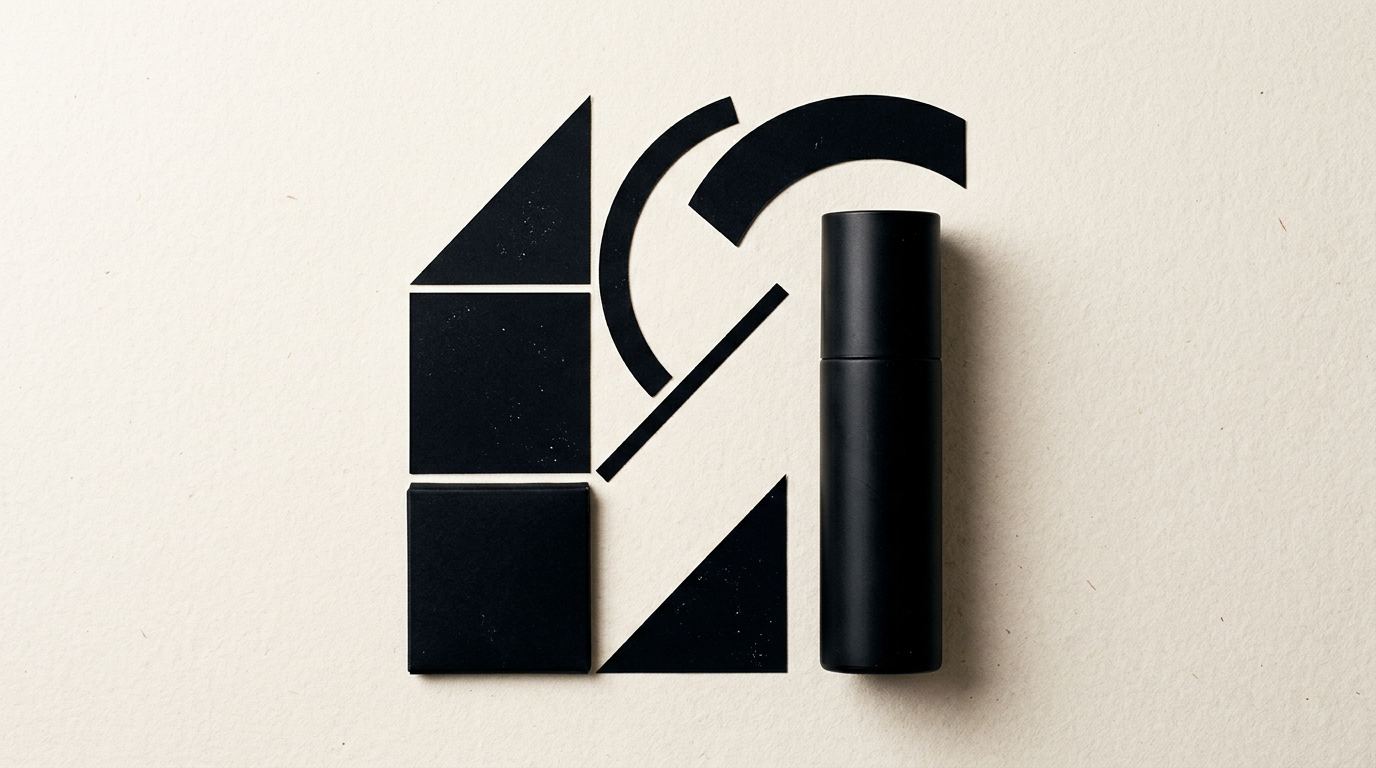
Cosmetic packaging is not merely a physical shield for a bottle or jar; it is the first tactile and visual touchpoint a customer has with your brand. From halftone differences on plastic tubes to the strict requirements of EU Regulation 1223/2009, package design relies on unwritten technical rules that determine whether a product sits forgotten on a shelf or sells out instantly. Here are direct answers to the most common questions in the industry.
How do I choose the right material for cosmetic packaging?
Packaging material should be chosen based on the product's chemical formulation and primary distribution channel. A serum containing Vitamin C or retinol requires opaque or amber glass to prevent oxidation, whereas a hydrating body cream works better in PET or PCR plastic tubes. Before sending your design grafic files to the printer, you must test compatibility between the formula and the container. Chemical incompatibility can degrade the container or spoil the formula within weeks of storage.
Key factors in material selection include:
- Miron or Opaque Glass: Ideal for oils, serums, and UV-sensitive formulations.
- GC1 / GC2 Paperboard: Perfect for outer boxes requiring premium embellishments like foil stamping or embossing.
- PCR (Post-Consumer Recycled) Plastic: Excellent for sustainable brands selling shower gels or body lotions.
Why do colors look different on a plastic tube compared to a cardboard box?
Colors vary dramatically due to material porosity, printing technology, and surface priming. Offset printing on white SBS paperboard renders Pantone spot colors with high fidelity, while direct flexography on soft plastic changes ink absorption and saturation. To maintain a consistent identitate vizuală across all packaging substrates, you must request physical press proofs on the final material. In cosmetic packaging design, Pantone 185 C printed on matte laminated paperboard appears darker than on a glossy PE tube. A digital monitor never fully reflects physical ink behavior on synthetic substrates.
What mandatory legal information must appear on a cosmetic label?
EU Regulation No. 1223/2009 mandates seven mandatory elements on both primary and secondary packaging. Omitting any of these details can lead to product recalls and substantial fines. Graphic elements must be structured so legal text remains legible at small print sizes (minimum 6pt font size).
The list of mandatory legal elements includes:
- Name and address of the Responsible Person: Accompanied by the country of origin for imported goods.
- Net content: Stated in grams (g) or milliliters (ml) at the time of packaging.
- PAO (Period After Opening) or BBE (Best Before End) symbol: Represented by an open jar with the month count (e.g., 12M).
- INCI Ingredient List: Listed in descending order of concentration (for ingredients above 1%).
- Batch number: Essential for production traceability.
How can I reduce printing costs without sacrificing packaging quality?
Production costs decrease significantly through box size standardization and dieline sheet optimization. If you are launching three different serums, use the same outer paperboard box dimensions and differentiate variants via labels or color coding. This allows you to pay for a single die-cutting tool and achieve larger print runs, cutting unit costs by 25-40%. When collaborating with a designer, review their portofoliu to ensure they understand technical dieline engineering. Furthermore, limiting spot Pantone colors in favor of well-calibrated CMYK printing substantially lowers the printer's invoice.
How important is the unboxing experience for a cosmetic brand?
Unboxing transforms a simple purchase into a personal ritual and generates organic social media content. Over 60% of premium beauty buyers share images of packaging that features engaging opening mechanics or hidden messages printed inside the flaps. Details like single-color interior printing, branded tissue paper, or magnetic closures increase perceived value. If you already operate a high-converting site de prezentare, physical packaging is what validates the promise made online.
Do I need to adapt packaging if I sell exclusively online?
Yes, e-commerce packaging must withstand shipping shocks and fit efficiently inside courier mailers. Unlike retail packaging where shelf visibility is paramount, D2C (Direct-to-Consumer) packaging prioritizes structural security and compact sizing. A glass dropper bottle sent by courier requires a corrugated cardboard sleeve or recycled foam insert to prevent breakage during transport. Additionally, applying optimizare GEO / AEO / AIO strategies across your digital platforms helps clarify what consumers search for regarding safe delivery of your products.
How do I ensure packaging accurately reflects a premium brand positioning?
Premium positioning is achieved through strategic minimalism, structural weight, and tactile finishes, rather than visual clutter. Rigid setup boxes, Soft Touch lamination, satin foil, and embossing over a logo crafted through professional creare logo services instantly communicate high value. Cheap packaging is easily spotted by thin paperboard that warps and dull inks. Premium packaging uses mass-dyed papers, eliminating unsightly white edges at the box fold lines.
What technical prepress mistakes should I avoid in packaging design?
The most common prepress mistake is failing to include a minimum 3mm bleed and sending vector files with unoutlined fonts. During cosmetic box die-cutting, mechanical knife alignment can shift by 0.5-1 mm. Without bleed, unintended white edges will show on folded corners. Additionally, barcodes must be generated in pure vector CMYK (100% K) and placed on a solid white background for reliable scanner reading in retail stores. If you need professional assistance, feel free to reach out via my contact page to audit your print-ready files.
What's next?
Your cosmetic packaging requires a delicate balance between aesthetics, legal compliance, and manufacturing feasibility. Whether you are launching a new skincare line or redesigning existing packaging for greater impact online and on the shelf, we can work together directly. Explore my branding and packaging services, and let's turn your vision into an unmissable physical product.